5/06/2018 - MADRID (EP).
PharmaMar ha suscrito este lunes un contrato de liquidez con JB Capital Markets por importe de 600.000 euros, con el objetivo de favorecer la liquidez de las transacciones y la regularidad de la cotización de sus acciones.
Según informó la empresa a la Comisión Nacional del Mercado de Valores (CNMV), JB Capital Markets podrá realizar operaciones de compra y venta de 407.319 acciones de PharmaMar en los mercados regulados, a través del mercado de órdenes.
Este contrato de liquidez tiene una vigencia de doce meses, a contar desde este martes 5 de junio, y se entenderá como prorrogado por el mismo período de forma tácita salvo que una de las partes haga alguna indicación contraria.
05 junio 2018
Lurbinectedina (PharmaMar) es Eficaz en el Tratamiento del Cáncer de Pulmón Microcítico Recurrente .
MADRID, 4 Jun. (EUROPA PRESS) -
Lurbinectedina, de PharmaMar, es eficaz en el tratamiento del cáncer de pulmón microcítico recurrente, según nuevos datos sobre la cohorte de pacientes con cáncer de pulmón microcítico que forma parte del ensayo 'basket' de fase II con lurbinectedina como agente único, presentados en el marco del congreso de la Sociedad Americana de Oncología Clínica (ASCO, por sus siglas en inglés), que se celebra estos días en Chicago (Estados Unidos).
El ensayo multicéntrico de fase II estudia la seguridad y eficacia de lurbinectedina en diferentes tumores sólidos, entre ellos cáncer de pulmón microcítico recurrente, tras haber recibido un tratamiento previo de quimioterapia. Tras observarse cinco respuestas en los primeros 15 pacientes en esta indicación, se amplió el estudio a 100. ...
Lurbinectedina, de PharmaMar, es eficaz en el tratamiento del cáncer de pulmón microcítico recurrente, según nuevos datos sobre la cohorte de pacientes con cáncer de pulmón microcítico que forma parte del ensayo 'basket' de fase II con lurbinectedina como agente único, presentados en el marco del congreso de la Sociedad Americana de Oncología Clínica (ASCO, por sus siglas en inglés), que se celebra estos días en Chicago (Estados Unidos).
El ensayo multicéntrico de fase II estudia la seguridad y eficacia de lurbinectedina en diferentes tumores sólidos, entre ellos cáncer de pulmón microcítico recurrente, tras haber recibido un tratamiento previo de quimioterapia. Tras observarse cinco respuestas en los primeros 15 pacientes en esta indicación, se amplió el estudio a 100. ...
El mercado de oncología llegará a los 200.000 millones en cinco años .

BELÉN DIEGO | 04.06.2018 - 19:32
El mercado de oncología llegará a los 200.000 millones en 2022, con una tasa de crecimiento del 10-13% en los próximos cinco años, según un nuevo informe de IQVIA.
El número de nuevos tratamientos contra el cáncer aprobados en los últimos cinco años es 63. El ascenso de las inmunoterapias tiene en los anti PD-1 y los anti-PD-L1 sus principales trampolines. Son fármacos con una eficacia que se extiende a diversos tumores sólidos y que se emplean en 23 tipos de cáncer diferentes, según este nuevo análisis.
...
Merck Expone Resultados de Tepotinib para Cáncer de Pulmón Avanzado No Microcítico .
MADRID 4 JUN, 2018 .
En la Reunión Anual de la Sociedad Estadounidense de Oncología Clínica (ASCO), que se celebra en Chicago hasta este martes, 5 de junio, la compañía farmacéutica Merck ha anunciado que la terapia dirigida en investigación con tepotinib mostró actividad clínica en un estudio en Fase II puesto en marcha en pacientes con cáncer de pulmón no microcítico (CPNM) avanzado que presentan alteraciones por omisión del exón 14 de MET. ...
Europa autoriza el uso de 'Perjeta' (Roche), después de cirugía, para cáncer de mama incipiente HER2 .
MADRID, 4 Jun. (EUROPA PRESS) -
La Comisión Europea ha autorizado el uso de pertuzumab, registrado por Roche con el nombre de 'Perjeta', en combinación con trastuzumab ('Herceptin') y quimioterapia (en adelante, esquema terapéutico con Perjeta) para el tratamiento adyuvante de pacientes adultas con cáncer de mama incipiente con mutación de HER2 y alto riesgo de recaída.
El esquema terapéutico con 'Perjeta' debe administrarse durante un total de un año (hasta 18 ciclos) como parte de un esquema terapéutico completo para el cáncer de mama incipiente, e independientemente del momento de la intervención quirúrgica. ...
La Comisión Europea ha autorizado el uso de pertuzumab, registrado por Roche con el nombre de 'Perjeta', en combinación con trastuzumab ('Herceptin') y quimioterapia (en adelante, esquema terapéutico con Perjeta) para el tratamiento adyuvante de pacientes adultas con cáncer de mama incipiente con mutación de HER2 y alto riesgo de recaída.
El esquema terapéutico con 'Perjeta' debe administrarse durante un total de un año (hasta 18 ciclos) como parte de un esquema terapéutico completo para el cáncer de mama incipiente, e independientemente del momento de la intervención quirúrgica. ...
Fase leve del alzhéimer: ni estrés ni depresión, alzhéimer .
Los primeros síntomas empiezan a asomar y todavía le echamos la culpa al estrés, la edad o la depresión. Y resulta que es alzhéimer.
...
...
Desarrollan en huevos de gallinas un nuevo modelo de tumor que podría servir para tratar el cáncer de ovario .
MADRID, 4 Jun. (EUROPA PRESS) -
Investigadores del Instituto de Ciencias de Materiales de Células Integradas de la Universidad de Kioto (iCeMS) en Japón, junto a científicos estadounidenses, han desarrollado en huevos de gallinas un nuevo modelo de tumor que podría servir para tratar el cáncer de ovario.
"Nos sorprendió cuando se formó el tumor en tres días. Esto es muy rápido teniendo en cuenta que lleva semanas hacer lo mismo con los ratones. Podemos comenzar a utilizar este modelo para detectar medicamentos contra el cáncer adaptados a las necesidades de cada paciente con cáncer. El proceso puede completarse en una semana", han dicho los expertos. ...
Investigadores del Instituto de Ciencias de Materiales de Células Integradas de la Universidad de Kioto (iCeMS) en Japón, junto a científicos estadounidenses, han desarrollado en huevos de gallinas un nuevo modelo de tumor que podría servir para tratar el cáncer de ovario.
"Nos sorprendió cuando se formó el tumor en tres días. Esto es muy rápido teniendo en cuenta que lleva semanas hacer lo mismo con los ratones. Podemos comenzar a utilizar este modelo para detectar medicamentos contra el cáncer adaptados a las necesidades de cada paciente con cáncer. El proceso puede completarse en una semana", han dicho los expertos. ...
Los tratamientos y sus combinaciones acorralan al cáncer .
ASCO . El Congreso Americano de cáncer, el más importante del Mundo, presenta pocas novedades en tratamientos, pero confirma que las terapias están mejorando la esperanza de vida de muchos pacientes ...
04 junio 2018
Aplidin ( Plitidepsin ) ASCO18 - 4 de Junio . Aplidin en Combinación con DXM Demostró un Beneficio Clínicamente Significativo en Términos de Supervivencia Global en RRMM Altamente Pretratados . Una Enfermedad donde todavía se Necesitan Nuevas Alternativas Terapéuticas.
Overall Survival (OS) Results of Randomized Phase III study (ADMYRE trial) of Plitidepsin and Dexamethasone (DXM) vs. DXM Alone in Patients with Relapsed/Refractory Multiple Myeloma (RRMM) : Evaluation of the Crossover Impact.
Picar sobre la Foto :
Meeting : 2018 ASCO Annual MeetingAuthor(s) : Javier Gomez, Sonia Extremera, Antonio Nieto; PharmaMar, Madrid, Spain.
Abstract:
Background:
Plitidepsin is a synthetic cyclic depsipeptide isolated from the marine tunicate Aplidium albicans targeting the proto-oncogene eEF1A2, which is over-expressed in multiple myeloma cells. In ADMYRE trial, Plitidepsin plus dexamethasone (DXM) (Arm A) met the primary endpoint (progression-free survival) and showed a survival improvement versus DXM alone (Arm B) (ASH 2017).
Methods:
RRMM patients with at least three but not more than six prior regimens, including at least bortezomib and lenalidomide/thalidomide, were randomized at 2:1 ratio to receive plitidepsin 5 mg/m2 D1 and 15 plus DXM 40 mg D1,8,15 and 22 (Arm A), or DXM 40 mg D1,8,15 and 22 (Arm B) every four weeks. The rank preserving structural failure time (RPSFT) and the two-stage methods were used to present overall survival (OS) results after mitigating the crossover effect.
Results:
Two-hundred fifty-five patients were enrolled: (Arm A: 171/Arm B: 84). Thirty-seven patients in Arm B (44%) switched to Arm A after progression. Intention-to-treat (ITT) analysis not discounting the crossover effect showed a 20.3% risk reduction in favor of Arm A (median OS: A 11.6 mo. B: 8.9 mo.; HR = 0.797; log-rank p = 0.1261). Risk reduction improved to 32.4% with the RPSFT method (median OS: A 11.6 mo. B: 7.2 mo.; HR = 0.676; log-rank p = 0.0103) and to 37.8% with the two-stage method (median OS: A 11.6 mo. B: 6.4 mo.; HR = 0.622; log-rank p = 0.0015). Although assumptions for RPFST and two-stage analyses were plausibly met, statistically significant risk reductions were still maintained when severe penalizations were applied, with median OS differences around four months.
Conclusions:
Plitidepsin in combination with DXM demonstrated a clinically significant benefit in terms of overall survival in heavily pretreated RRMM, a disease where new therapeutic alternatives are still needed.
Picar sobre la Foto :

Zepsyre ASCO18 - 4 de Junio . Fase 1 en Pacientes Japóneses .
Phase I Trial of Lurbinectedin (PM1183) in Japanese Patients with Advanced Tumors: Results of the Dose Escalation Part.Presented Monday, June 4, 2018
Authors:
Shunji Takahashi, Toshio Shimizu, Toshihiko Doi, Jose Antonio Lopez-Vilariño, Rafael Nuñez, Carmen Maria Kahatt, Carlos Fernandez, Katrin Zaragoza, Hiromi Sasamoto, Arturo Soto-Matos; Cancer Institute Hospital of JFCR, Tokyo, Japan; Department of Experimental Therapeutics, National Cancer Center Hospital, Tokyo, Japan; National Cancer Center Hospital, Chiba, Japan; PharmaMar, Madrid,... View More
Abstract Disclosures
Background:PM1183 (lurbinectedin, Zepsyre) is a new anticancer agent that inhibits activated transcription, induces DNA double-strand breaks leading to apoptosis and modulates tumor microenvironment. The recommended dose (RD) in non-Japanese patients (pts) is 3.2 mg/m2 on Day 1 every three weeks (q3wk), with reversible myelosuppression as dose-limiting toxicity (DLT).
Methods:
Japanese pts with solid tumors (excluding CRC or CNS primary tumors), adequate organ function and ECOG PS 0-2 were treated at 3 different dose levels (DLs), 1.5 mg/m2, 2.5 mg/m2 and 3.2 mg/m2, using a 3+3 design.
Results:
Fifteen pts (10 female / 5 male) were treated and evaluated for safety and efficacy. Median age was 52 years (38-65), albumin 4 mg/dL (3.5-4.6) with 2 median previous lines (1-3). Tumors were, among others, biliopancreatic (3), esophageal (2), endometrial (2) and breast (1). 2 out of 4 pts on DL3 (3.2 mg/m2) had a DLT consisting of a grade (G) 4 neutropenia and a G3 neutropenia lasting > 7 days. Eight pts were treated at the RD established on 2.5 mg/m2, with G2 neutropenia leading to dose reduction and dose delay in 1 pt each. Main adverse events at the RD were hematological with 1 pt (12.5%) presenting G3 neutropenia. Other G3/4 toxicities included a non-drug related G4 hypokalemia (12.5%). Non-hematological toxicities were exclusively G1/2, including G2 ALT increase (50%), AST increase (25%), anorexia (25%), nausea (25%), fatigue (12.5%) and dyspnea (12.5%). At RD, 1 pt (12.5%) with metastatic breast cancer achieved a durable partial response and 3 pts (37.5%) had confirmed stable disease. PK at RD (n= 6 pts) showed a similar behavior to non-Japanese pts, with a mean (standard deviation) total body clearance (CL) of 10.5 (4.5) L/h, half-life of 50.7 (18.1) h and volume of distribution at steady-state of 375.5 (172.0) L.
Conclusions:
The RD of PM1183 in Japanese pts is 2.5 mg/m2 q3wk, with mild toxicity. Main DLTs were hematological. Hints of activity were observed in breast cancer. Japanese pts showed a similar CL to non-Japanese pts, but with a 26.5% lower distribution volume. A new cohort is exploring PM1183 3.2 mg/m2 (non-Japanese RD) in Japanese pts receiving G-CSF support.
Picar sobre la Foto :
Yondelis ASCO18 - 4 de Junio . A French Sarcoma Group (FSG) Trial.
Results of a Prospective Randomized Phase III T-SAR Trial Comparing Trabectedin (T) vs Best Supportive Care (BSC) in Patients with Padvanced Soft Tissue Sarcoma (ASTS): A French Sarcoma Group (FSG) Trial.Presented Monday, June 4, 2018 .
Authors:
Axel Le Cesne, Jean-Yves Blay, Didier Cupissol, Antoine Italiano, Corinne Delcambre, Nicolas Penel, Nicolas Isambert, Christine Chevreau, Emmanuelle Bompas, Francois Bertucci, Loic Chaigneau, Sophie Piperno-Neumann, Sébastien Salas, Maria Rios, Cecile Guillemet, Jacques Olivier Bay, Isabelle Laure Ray-Coquard, Leila Haddag, Olivier Mir, Stéphanie Foulon; Gustave Roussy Cancer Campus,... View More
Abstract Disclosures
Background:
With the exception of a study in translocation-related STS (Kawai, 2015), T has never been compared to BSC in a study including patients (pts) with all sarcoma histotypes. The efficacy, safety and quality of life of T vs BSC as second or later treatment line were evaluated in pts with ASTS in a multicenter FSG trial.
Methods:
The study enrolled pts ≥18 years of age with histologically proven ASTS who progressed after at least 1 anthracycline-containing regimen (≤3 previous chemotherapy (CT) lines), stratified by L-STS (lipo-leiomyosarcoma) and non L-STS and with a WHO performance status score 0-1. Pts were randomized 1:1 to receive either T (1.5 mg/m2 24h every 3 weeks) or BSC until disease progression (PD), unacceptable toxicity, or patient’s request. Pts allocated to BSC could cross over to T at PD. The primary endpoint was progression-free survival (PFS).
Results:
Between January to November 2015, 103 pts (median 65 yrs (range 22-84), grade 3 ASTS in 57% of cases, median number of 1 prior CT lines) were enrolled by 16 FSG centers, 52 in the T arm and 51 the BSC arm. Pts with L-STS and non L-STS represented 60% and 40% of pts, respectively. Two pts refused to be allocated in the BSC arm and received other CT. The objective response rate (ORR) in the T arm was 11.8%, all observed in the L-STS group (ORR: 18.8% in L-STS). 23% of pts in the T arm received more than 9 cycles of T. The median PFS were 1.5 months (m) in the BSC arm and 3.1m in the T arm (HR: 0.39, p < 0.0001). In the L-STS cohort, the median PFS were 1.4m and 5.1m in the BSC and T arm (HR: 0.29, p < 0.0001), respectively, whereas in the non L-STS group they were 1.5m and1.8 m (p = 0.16). A cross-over was performed in 92% of pts included in the BSC arm. By After a median follow-up of 25.7 months, the differences on OS were not statistically significant between the two arms, 13.6 m vs 10.8 m in the T and BSC arms respectively (p = 0.86).
Conclusions:
This study met its first endpoint as a preplanned PFS analysis showed a significant improvement in median PFS with T over BSC in pts with pretreated ASTS of multiple histologies. L-STS pts benefit the most from T therapy in terms of prolonged tumor control.
Zepsyre . Tumori: la ricerca vien dal mare, caccia a nuove armi contro il cancro dei bimbi .

Il sarcoma di Ewing – tumore raro che colpisce soprattutto bambini e adolescenti under 20 – passa inizialmente inosservato, anche allo sguardo attento di mamma e papà. I suoi sintomi si possono confondere con i postumi di una caduta, ma quando dolore e infiammazione non guariscono in tempi ragionevoli devono scattare un’analisi approfondita e indagini più mirate. Ed è allora che arriva la diagnosi, una fitta al cuore che sperimentano le famiglie di un centinaio di pazienti ogni anno.
Il Sarcoma di Ewing rappresenta il 15% di tutti i sarcomi primari delle ossa: il dolore è il sintomo principale e come altri è molto aspecifico (febbre, stanchezza o perdita di peso). Talvolta il tumore può disseminato in altri organi lontani e, in caso di micrometastasi, anche in maniera così piccola da risultare invisibile agli esami.
Dal mare arriva l’ispirazione alla ricerca che sta esplorando una potenziale arma per combattere questa neoplasia. Si chiama lurbinectedina e mima molti composti naturali di origine marina. I dati di uno studio sperimentale internazionale su questo nuovo agente terapeutico (Pm1183) che blocca la trascrizione e induce rotture del doppio filamento del Dna, portando alla morte della cellula malata, sono stati presentati al Congresso degli oncologi americani dell’Asco (American Society of Clinical oncology). La ricerca ha coinvolto un centro italiano, l’Istituto ortopedico Rizzoli di Bologna, con l’Università del Texas, l’Anderson Cancer Center di Houston in Texas, il Sarcoma Oncology Center di Santa Monica in California, l’Università del Colorado a Denver, l’Hospital Vall D’Hebron di Barcellona, l’ospedale universitario Sanchinarro di Madrid e l’Istituto Jules Bordet di Bruxelles.
...
Zepsyre . Una nuova molecola aumenta la sopravvivenza dei pazienti con il raro sarcoma di Ewing .

È un tumore raro che colpisce soprattutto bambini e adolescenti. Rappresenta il 15% di tutti i sarcomi primari delle ossa e il suo sintomo principale è il dolore.
Ora per il sarcoma di Edwin dal congresso annuale dell’arriva una nuova opzione terapeutica: il farmaco lurbinectedina (PM1183) che in uno studio di fase II ha mostrato la capacità di stabilizzare la terapia.
La sperimentazione ha coinvolto 28 pazienti con un’età media di 33 anni. È stato condotto all’Istituto Ortopedico Rizzoli di Bologna con l’Università del Texas, l’Anderson Cancer Center di Huston in Texas, il Sacroma Oncology Center di Santa Monica in California, l’Università del Colorado a Denver, l’Hospital Vall D’ Hebron di Barcellona, L’Ospedale universitario Sanchinarro di Madrid e l’Istituto Jules Bordet di Bruxelles.
...
Zepsyre . I ‘piccoli eroi’ correranno contro il sarcoma di Ewing .
3 GIUGNO, 2018 .
A fine giugno ci sarà una corsa non competitiva di bambini (e non solo) vestiti da supereroi con la ‘Super Hero Run’ e il ricavato andrà ad un’associazione pazienti sul sarcoma di Ewing
Si contano appena un centinaio di casi ogni anno ma la diagnosi è per ogni genitore una fitta al cuore. Il sarcoma di Ewing è un tumore raro ma colpisce soprattutto bambini e adolescenti under 20 e rappresenta il 15 per cento di tutti i sarcomi primari delle ossa. Il dolore è il sintomo principale e come altri è molto aspecifico (febbre, stanchezza o perdita di peso) e a volte si confonde con cause totalmente indipendenti da un tumore come una caduta. Ma se il dolore e l'infiammazione non guariscono in un tempo ragionevole, è però opportuno rivolgersi al medico, per un’analisi approfondita e indagini più mirate. A volte infatti può anche esser disseminato in altri organi lontani e, in caso di micrometastasi, anche in maniera così piccola da risultare invisibile agli esami. Di questa tremenda malattia si parla al congresso americano di oncologia (Asco) di Chicago, che riunisce fino al 5 giugno quasi 40 mila persone tra specialisti, associazioni, caregiver provenienti da tutto il mondo. In particolare verrà presentato uno studio sulla lurbinectedina (PM1183), un nuovo agente terapeutico contro il sarcoma di Ewing, che blocca la trascrizione e induce rotture del doppio filamento del Dna, portando alla morte della cellula malata.
...
A fine giugno ci sarà una corsa non competitiva di bambini (e non solo) vestiti da supereroi con la ‘Super Hero Run’ e il ricavato andrà ad un’associazione pazienti sul sarcoma di Ewing
Si contano appena un centinaio di casi ogni anno ma la diagnosi è per ogni genitore una fitta al cuore. Il sarcoma di Ewing è un tumore raro ma colpisce soprattutto bambini e adolescenti under 20 e rappresenta il 15 per cento di tutti i sarcomi primari delle ossa. Il dolore è il sintomo principale e come altri è molto aspecifico (febbre, stanchezza o perdita di peso) e a volte si confonde con cause totalmente indipendenti da un tumore come una caduta. Ma se il dolore e l'infiammazione non guariscono in un tempo ragionevole, è però opportuno rivolgersi al medico, per un’analisi approfondita e indagini più mirate. A volte infatti può anche esser disseminato in altri organi lontani e, in caso di micrometastasi, anche in maniera così piccola da risultare invisibile agli esami. Di questa tremenda malattia si parla al congresso americano di oncologia (Asco) di Chicago, che riunisce fino al 5 giugno quasi 40 mila persone tra specialisti, associazioni, caregiver provenienti da tutto il mondo. In particolare verrà presentato uno studio sulla lurbinectedina (PM1183), un nuovo agente terapeutico contro il sarcoma di Ewing, che blocca la trascrizione e induce rotture del doppio filamento del Dna, portando alla morte della cellula malata....
Zepsyre ASCO18 - 3 de Junio . Resultados de la Fase II con " Lurbinectedin como Agente Único " para el Tratamiento de Pacientes con Cáncer de Pulmón de Celulas Pequeñas ( SCLC ) . " Compelling Activity ".
Madrid , 4 de Junio 2018 .
PharmaMar presenta nuevos resultados con lurbinectedina como agente único en pacientes con cáncer de pulmón microcítico recurrente en ASCO 2018 .
Efficacy and Safety of Lurbinectedin (PM1183) in Small Cell Lung Cancer (SCLC) : Results from a Phase 2 Study.
Sub-category : Small Cell Lung Cancer
Abstract No : 8570
Author(s) : Jose Manuel Trigo Perez, Alexandra Leary, Benjamin Besse, Daniel E. Castellano, Santiago Ponce Aix, Jennifer ARRONDEAU, Victor Moreno, Bernard Doger, Rafael Lopez, Ahmad Awada, Christiane Jungels, Martin David Forster, Valentina Boni, Pilar Lardelli, Mariano Siguero, Carmen Maria Kahatt, Arturo Soto-Matos, Rebecca Sophie Kristeleit; Hospital Virgen de la Victoria, Malaga, Spain; Gustave Roussy Cancer Campus, Villejuif, France; Gustave Roussy, Villejuif, France; Hospital 12 de Octubre, Madrid, Spain; Hôpital Cochin, Paris, France; START Madrid-FJD, Hospital Universitario Fundación Jiménez Díaz, Madrid, Spain; IDIS; CIBERONC,Hospital Clínico Universitario de Santiago de Compostela, Santiago De Compostela, Spain; Medical Oncology Clinic, Institut Jules Bordet, Université Libre de Bruxelles, Brussels, Belgium; University College London Hospitals, London, United Kingdom; START Madrid-CIOCC, Hospital Universitario San Chinarro, Madrid, Spain; PharmaMar, Madrid, Spain
Abstract Disclosures
Abstract :
Background : SCLC is a deadly cancer and despite initial 80% response, almost all patients (pts) will relapse and die of this disease. Limited options exist after failure of first line, with a median time to progression (TTP) of around 3.5 months. New therapeutic agents are needed. Lurbinectedin (L) is a new anticancer drug that blocks transcription and induces DNA double-strand breaks, leading to apoptosis.
Methods : A multicenter phase 2 basket trial to assess the efficacy and safety of L in several types of advanced solid tumors, including SCLC, is ongoing. In the SCLC cohort, 15 adult patients without brain metastases, who had received one prior chemotherapy line, were recruited. If at least one confirmed response was observed, recruitment would be increased to 100 patients. The study intervention comprised L 3.2 mg/m2 in a 1-hour infusion every 3 weeks.
Results : 50 pts were treated and evaluable for efficacy. Median age was 60 years (range, 40-83) and 29 (58%) were males. 45 (80%) had an ECOG of 0/1. 34 pts (68%) had metastatic disease at study entry. 25 (50%) pts had a chemotherapy free interval (CTFI) ≥ 90 days and 22 (44%) had a CTFI < 90 days (unknown in 3). Pts received a median of 5 cycles of therapy (range, 1-18) and a median total dose of 15.9 mg/m2 (range, 2.9-58.2). Nineteen pts (38%) had a partial response (PR); among pts with CTFI ≥ 90 days, 52% (13/25) had a PR. Twenty pts (40%) had disease stabilization, 6 of them for > 4 months. Median response duration was (K-M) 5.3 (CI 95% 2.8-8.8) and median progression free survival (PFS) was 4.2 months (CI 95% 2.8-6.3). Median PFS for pts with CTFI ≥ 90 days was 4.7 months 95% CI (3.1-7.4). Myelosuppression was the most common adverse event: 44% neutropenia grade (G) 3/4, 12% febrile neutropenia, and 8% thrombocytopenia G 3/4; 8 pts had dose delay due to neutropenia G2-4, and 10 pts had dose reduced because of neutropenia G4. G-CSF was given to 9 pts. There was one protocol-defined withdrawal due to neutropenia.
Conclusions : Lurbinectedin as a single agent shows compelling activity as second line treatment in SCLC, with an acceptable tolerability and manageable safety profile. No unexpected or grade 5 toxicity occurred. Updated results will be presented.
Picar sobre la foto :
PharmaMar presenta nuevos resultados con lurbinectedina como agente único en pacientes con cáncer de pulmón microcítico recurrente en ASCO 2018 .
- Se trata del ensayo basket de fase II que comenzó reclutando 15 pacientes con cáncer de pulmón microcítico recurrente y que se ha ampliado a 100, tras obtenerse respuestas positivas.
- En un total de 61 pacientes ya analizados, se han observado respuestas en un 39,3%, con una mediana de duración de respuesta de 6,2 meses, y una mediana de supervivencia global de 12 meses.
- El objetivo principal del estudio es la tasa global de respuesta, con otros objetivos secundarios que incluyen la duración de respuesta, la supervivencia libre de progresión, la supervivencia global y el perfil de seguridad.
- “Los pacientes incluidos en este estudio con cáncer de pulmón microcítico están respondiendo favorablemente al tratamiento con lurbinectedina como agente único. Hemos observado que la molécula es activa en este grupo de pacientes, sin embargo tendremos más información una vez terminemos el reclutamiento y evaluemos a todos los pacientes”, explica el Dr. Arturo Soto, director del departamento de Clínica de la unidad de negocio de Oncología de PharmaMar.
Efficacy and Safety of Lurbinectedin (PM1183) in Small Cell Lung Cancer (SCLC) : Results from a Phase 2 Study.Sub-category : Small Cell Lung Cancer
Abstract No : 8570
Author(s) : Jose Manuel Trigo Perez, Alexandra Leary, Benjamin Besse, Daniel E. Castellano, Santiago Ponce Aix, Jennifer ARRONDEAU, Victor Moreno, Bernard Doger, Rafael Lopez, Ahmad Awada, Christiane Jungels, Martin David Forster, Valentina Boni, Pilar Lardelli, Mariano Siguero, Carmen Maria Kahatt, Arturo Soto-Matos, Rebecca Sophie Kristeleit; Hospital Virgen de la Victoria, Malaga, Spain; Gustave Roussy Cancer Campus, Villejuif, France; Gustave Roussy, Villejuif, France; Hospital 12 de Octubre, Madrid, Spain; Hôpital Cochin, Paris, France; START Madrid-FJD, Hospital Universitario Fundación Jiménez Díaz, Madrid, Spain; IDIS; CIBERONC,Hospital Clínico Universitario de Santiago de Compostela, Santiago De Compostela, Spain; Medical Oncology Clinic, Institut Jules Bordet, Université Libre de Bruxelles, Brussels, Belgium; University College London Hospitals, London, United Kingdom; START Madrid-CIOCC, Hospital Universitario San Chinarro, Madrid, Spain; PharmaMar, Madrid, Spain
Abstract Disclosures
Abstract :
Background : SCLC is a deadly cancer and despite initial 80% response, almost all patients (pts) will relapse and die of this disease. Limited options exist after failure of first line, with a median time to progression (TTP) of around 3.5 months. New therapeutic agents are needed. Lurbinectedin (L) is a new anticancer drug that blocks transcription and induces DNA double-strand breaks, leading to apoptosis.
Methods : A multicenter phase 2 basket trial to assess the efficacy and safety of L in several types of advanced solid tumors, including SCLC, is ongoing. In the SCLC cohort, 15 adult patients without brain metastases, who had received one prior chemotherapy line, were recruited. If at least one confirmed response was observed, recruitment would be increased to 100 patients. The study intervention comprised L 3.2 mg/m2 in a 1-hour infusion every 3 weeks.
Results : 50 pts were treated and evaluable for efficacy. Median age was 60 years (range, 40-83) and 29 (58%) were males. 45 (80%) had an ECOG of 0/1. 34 pts (68%) had metastatic disease at study entry. 25 (50%) pts had a chemotherapy free interval (CTFI) ≥ 90 days and 22 (44%) had a CTFI < 90 days (unknown in 3). Pts received a median of 5 cycles of therapy (range, 1-18) and a median total dose of 15.9 mg/m2 (range, 2.9-58.2). Nineteen pts (38%) had a partial response (PR); among pts with CTFI ≥ 90 days, 52% (13/25) had a PR. Twenty pts (40%) had disease stabilization, 6 of them for > 4 months. Median response duration was (K-M) 5.3 (CI 95% 2.8-8.8) and median progression free survival (PFS) was 4.2 months (CI 95% 2.8-6.3). Median PFS for pts with CTFI ≥ 90 days was 4.7 months 95% CI (3.1-7.4). Myelosuppression was the most common adverse event: 44% neutropenia grade (G) 3/4, 12% febrile neutropenia, and 8% thrombocytopenia G 3/4; 8 pts had dose delay due to neutropenia G2-4, and 10 pts had dose reduced because of neutropenia G4. G-CSF was given to 9 pts. There was one protocol-defined withdrawal due to neutropenia.
Conclusions : Lurbinectedin as a single agent shows compelling activity as second line treatment in SCLC, with an acceptable tolerability and manageable safety profile. No unexpected or grade 5 toxicity occurred. Updated results will be presented.
Picar sobre la foto :
03 junio 2018
Zepsyre ( Atlantis ) ASCO18 - 3 de Junio . Lurbinectedin combinado con Doxorubicin . Fase III para el Tratamiento de Pacientes con Cáncer de Pulmón de Celulas Pequeñas ( SMCLC ) .
ATLANTIS : Global, Randomized Phase III Study of Lurbinectedin (L) with Doxorubicin (DOX) vs. CAV or Topotecan (T) in Small-Cell Lung Cancer after Platinum Therapy.

Principal Autor :

Anna F. Farago, MD , PhD . Massachussetts General Hospital .
Meeting : 2018 ASCO Annual Meetin .
Abstract No : TPS8587
Author(s):
Anna F. Farago, Luis G. Paz-Ares, Tudor-Eliade Ciuleanu, Andrea Fülop, Alejandro Navarro, Laura Bonanno, Jose Antonio Lopez-Vilariño, Rafael Nuñez, Carmen Maria Kahatt, Gabor Kos, Arturo Soto-Matos; Massachusetts General Hospital, Boston, MA; University Hospital 12 de October, Madrid, Spain; Chiricuta Institute of Oncology, Cluj County, Romania; Orszagos Koranyi TBC es Pulmonologiai Intezet 6, Budapest, Hungary; Vall d'Hebron University Hospital, Barcelona, Spain; Istituto Oncologico Veneto IOV IRCCS, Padova, Italy; PharmaMar, Madrid, Spain; Syneos Health, Budapest, Hungary .
Abstract:
Background:
Lurbinectedin (L), a synthetic analog of marine-based tetrahydroisoquinolone, blocks active transcription, produces DNA breaks and apoptosis, and affects the inflammatory microenvironment. L showed promising activity in combination with DOX in a phase I cohort of relapsed small cell lung cancer (SCLC) patients (pts) (overall response rate (ORR) = 67%, n = 21, ASCO 2015, abstract 7509). Most common toxicities were hematologic. Lower dose improved safety and confirmed activity in an expanded cohort (ORR = 37%, n = 27 SCLC pts).
Methods:
We present an ongoing multinational (20 countries), multicenter (154 sites), open-label, randomized phase III study of L/DOX vs. control arm (investigator choice of either cyclophosphamide, DOX and vincristine (CAV) or topotecan (T)). 600 pts will be randomized (1:1) and stratified according to ECOG performance status (PS), central nervous system (CNS) involvement, previous treatment with antiPD1/antiPD-L1, chemotherapy-free interval, and investigator´s choice of control arm. Interim safety analysis by an independent data monitoring committee (IDMC) is planned when the first 150 pts are randomized. The most relevant inclusion criteria are: age ≥18 years; confirmed SCLC diagnosis (if primary site unknown, Ki-67 expression > 50%); previous platinum-containing line (additional immunotherapy allowed); ECOG PS 0-2; adequate major organ function (including LVEF > 50%). Main exclusion criteria include chemotherapy-free interval < 30 days; prior treatment with L DOX or T; symptomatic or steroids-requiring CNS involvement.
The primary objective is to determine a difference in progression-free survival (RECIST v.1.1) by independent review committee.
Secondary endpoints include overall survival, survival rates at 12/18/24 months, antitumor response, duration of response, quality of life, safety, and pharmacokinetics.
The first patient was randomized in August 2016.
The Pre-Planned interim Safety Analysis was done on MAY 2018 and the IDMC Recommended to Continue the Trial Unmodified.
Trial recruitment is expected to be completed in Q2 2018.
Picar sobre la Foto :
Abstract No : TPS8587
Author(s):
Anna F. Farago, Luis G. Paz-Ares, Tudor-Eliade Ciuleanu, Andrea Fülop, Alejandro Navarro, Laura Bonanno, Jose Antonio Lopez-Vilariño, Rafael Nuñez, Carmen Maria Kahatt, Gabor Kos, Arturo Soto-Matos; Massachusetts General Hospital, Boston, MA; University Hospital 12 de October, Madrid, Spain; Chiricuta Institute of Oncology, Cluj County, Romania; Orszagos Koranyi TBC es Pulmonologiai Intezet 6, Budapest, Hungary; Vall d'Hebron University Hospital, Barcelona, Spain; Istituto Oncologico Veneto IOV IRCCS, Padova, Italy; PharmaMar, Madrid, Spain; Syneos Health, Budapest, Hungary .
Abstract:Background:
Lurbinectedin (L), a synthetic analog of marine-based tetrahydroisoquinolone, blocks active transcription, produces DNA breaks and apoptosis, and affects the inflammatory microenvironment. L showed promising activity in combination with DOX in a phase I cohort of relapsed small cell lung cancer (SCLC) patients (pts) (overall response rate (ORR) = 67%, n = 21, ASCO 2015, abstract 7509). Most common toxicities were hematologic. Lower dose improved safety and confirmed activity in an expanded cohort (ORR = 37%, n = 27 SCLC pts).
Methods:
We present an ongoing multinational (20 countries), multicenter (154 sites), open-label, randomized phase III study of L/DOX vs. control arm (investigator choice of either cyclophosphamide, DOX and vincristine (CAV) or topotecan (T)). 600 pts will be randomized (1:1) and stratified according to ECOG performance status (PS), central nervous system (CNS) involvement, previous treatment with antiPD1/antiPD-L1, chemotherapy-free interval, and investigator´s choice of control arm. Interim safety analysis by an independent data monitoring committee (IDMC) is planned when the first 150 pts are randomized. The most relevant inclusion criteria are: age ≥18 years; confirmed SCLC diagnosis (if primary site unknown, Ki-67 expression > 50%); previous platinum-containing line (additional immunotherapy allowed); ECOG PS 0-2; adequate major organ function (including LVEF > 50%). Main exclusion criteria include chemotherapy-free interval < 30 days; prior treatment with L DOX or T; symptomatic or steroids-requiring CNS involvement.
The primary objective is to determine a difference in progression-free survival (RECIST v.1.1) by independent review committee.
Secondary endpoints include overall survival, survival rates at 12/18/24 months, antitumor response, duration of response, quality of life, safety, and pharmacokinetics.
The first patient was randomized in August 2016.
The Pre-Planned interim Safety Analysis was done on MAY 2018 and the IDMC Recommended to Continue the Trial Unmodified.
Trial recruitment is expected to be completed in Q2 2018.
Picar sobre la Foto :

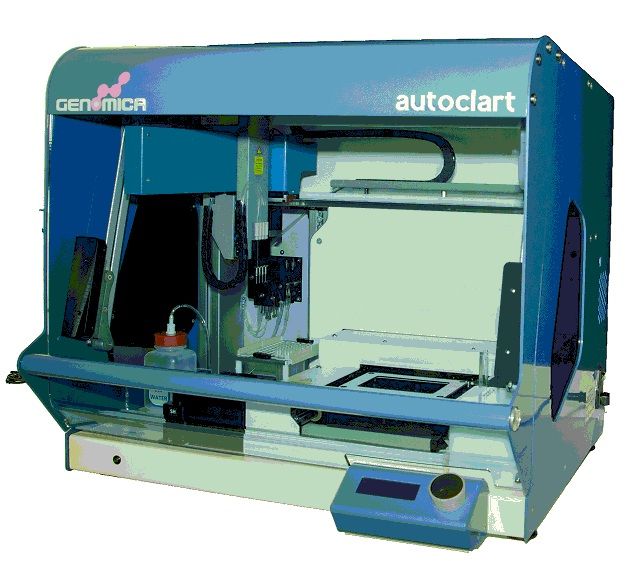
Genomica SAU . ASCO18 . Non-Small Cell Lung Cancer (NSCLC ) .
A Comparative Study of ALK and ROS Genes Rearrangements Among IHC/FISH/CLART in NSCLC.2018 ASCO Annual Meeting .
Author(s): Maria Cortes-Sempere, Maria Jesus Sanz, Nuria Manjon, Marta Sanchez-Muñoz, Rosa Somoza, Yolanda Ruano, Irene Sansano, Javier Hernandez-Losa, Jose Luis Rodriguez-Peralto, Maria Luisa Villahermosa; GENOMICA SAU, Madrid, Spain; Genomica SAU, Madrid, Spain; Pathology Department, Vall d'Hebron University Hospital, Barcelona, Spain; 12 de Octubre Universitary Hospital, Madrid, Spain; Pathological Anatomy Service, Hospital Doce de Octubre, Madrid, Spain.
Abstract Disclosures
Abstract:
Background: With the launching of the new GENOMICA’s kit for the detection of ALK and ROS1 genes rearrangements in non-small cell lung cancer (NSCLC), a comparative study with the current two routine diagnosis techniques, immunohistochemistry (IHC) and fluorescent in situ hybridization (FISH) was performed. CLART CMA ALK-ROS.1 detects the main chromosomal translocations of ALK gene with EML.4 and ROS1 gene with SDC4, CD74 and SLC34A2 in patients with lung cancer. Starting material is extracted RNA from lung biopsies in the form of formalin-fixed paraffin-embedded tumor tissue (FFPE). Detection is based on our CLART® technology: End-point Multiplex PCR amplification, followed by visualization in low-density microarray. The objective of this study is to determine the diagnostic validity of the GENOMICA CLART system as a routine technique in the detection of these rearrangements in clinical practice.
Methods: Two Spanish hospitals participated in this clinical study: Hospital Universitario 12 de Octubre from Madrid and Hospital Vall d’Hebron from Barcelona. 86 FFPE tissue samples from NSCLC were obtained by surgery, bronchoscopy or biopsy-puncture. They were assessed with IHC or/and FISH and with CLART system in parallel. The discrepancies were analysed by NGS with the Oncomine™ Focus Assay panel from Thermo Fisher Scientific.
Results: 6 out of 86 samples were positive with the routine techniques, 1 positive for ROS1 and 5 for ALK rearrangements. Out of these 6 samples, 3 were positive and 3 were negative with CLART system. The 3 discrepancies were analysed by NGS and 1 resulted positive for a ROS1 variant that GENOMICA kit does not detect and the other 2 discrepancies were WT.
Conclusions: Comparing the results obtained from CLART system and IHC/FISH we have a 96.5% of concordance, but after the discrepancies analysis by NGS we could observe that the results of the routine techniques had 3 false negatives and that CLART system have a 100% of sensitivity and specificity. CLARTCMA ALK-ROS.1 may provide an effective and accurate alternative to FISH/IHC testing for the detection of known EML4-ALK and ROS1 rearrangements in clinical diagnostic settings, being a method easy to perform and to be integrated into clinical routine.
02 junio 2018
Zepsyre ASCO18 - 2 de Junio . PM01183 ( Lurbinectedin ) Combinado con el Fármaco de ROCHE Xeloda ( Capecitabine ) . Resultados de Fase I en Pacientes con Cáncer De Mama Metastásico .
Anti-Tumor Activity of PM1183 (Lurbinectedin) in Combination with Capecitabine in Metastatic Breast Cancer Patients :Results from a Phase I Trial.
Presented Saturday, June 2, 2018
Authors:
Ahmad Awada, Philippe Georges Aftimos, Emiliano Calvo, Valentina Boni, Victor Moreno, Bernard Doger, Xarles Erik Luepke, Katrin Zaragoza, Mariano Siguero, Carmen Maria Kahatt, Arturo Soto-Matos, Tamara Sauri, Josep Tabernero; Medical Oncology Clinic, Institut Jules Bordet, Université Libre de Bruxelles, Brussels, Belgium; START Madrid, Madrid, Spain; START Madrid CIOCC, Hospital HM... View More
Abstract Disclosures
Background:
PM1183 (lurbinectedin, Zepsyre) is a new anticancer drug that blocks transcription, induces DNA double-strand breaks, and modulates the tumor microenvironment. Single-agent PM1183 has antitumor activity in various solid tumors, including metastatic breast cancer (MBC), and pre-clinical synergism/additivity with fluoropyrimidines. A phase I trial determined the recommended dose (RD) for the oral fluoropyrimidine capecitabine (XEL) as 1650mg/m2 BID Day (D) 1 to D14 plus PM1183 2.2 mg/m2 D1, every 3 weeks. Here we present results of the MBC patients (pts) treated in this trial.
Methods:
MBC pts with adequate organ function and < 3 prior chemotherapy lines for advanced disease were treated with PM1183+XEL until disease progression, or unacceptable toxicity. Stable asymptomatic brain metastases were allowed.
Results:A total of 28 female MBC pts were treated between April 2013 and September 2016; 15 at RD. At cut-off, 5 pts (3 at RD) were still on treatment. Baseline characteristics and efficacy data are shown in Table 1. At RD, hematological toxicities consisted of neutropenia [40% grade (G) 3; 7% G4] and anemia (13% G3). No febrile neutropenia was observed. Non-hematological toxicities were generally mild to moderate, including nausea, fatigue, palmar-plantar erythrodysesthesia syndrome, diarrhea, and decreased appetite. All AEs were reversible and manageable with dose reductions, omissions and/or delays. Main dose-limiting toxicities (DLTs) at maximum tolerated dose were hematological.
Conclusions:
The PM1183+XEL combination showed encouraging clinical activity in MB. Further development is warranted in this indication.
Resumen :
*.- La Combinación PM1183 + XELODA ha Mostrado una Actividad Clínica Alentadora en Cáncer de Mama Metastásico .
*.- El Desarrollo Adicional está Garantizado en esta Indicación .
Picar sobre la Foto :
Zepsyre ASCO18 - 2 de Junio . Resultados Finales de la Fase II para el Tratamiento de Sarcoma de EWING .
Efficacy and Safety of Lurbinectedin (PM1183) in Ewing Sarcoma : Final Results from a Phase 2 Study.Time : Saturday June 2 .
Author(s):
Vivek Subbiah, Kamalesh Kumar Sankhala, Ravin Ratan, Enrique Sanz Garcia, Valentina Boni, Thierry Gil, Victor Manuel Villalobos, Sant P Chawla, Pilar Lardelli, Mariano Siguero, Carmen Maria Kahatt, Arturo Soto-Matos, Stefano Ferrari; The University of Texas MD Anderson Cancer Center, Houston, TX; Sarcoma Oncology Center, Santa Monica, CA; Department of Sarcoma Medical Oncology, The University of Texas MD Anderson Cancer Center, Houston, TX; Hospital Vall D’Hebron, Barcelona, ES; START Madrid CIOCC Hospital Universitario Sanchinarro, Madrid, Spain; Institut Jules Bordet, Brussels, Belgium; University of Colorado, Denver, CO; PharmaMar, Madrid, Spain; Istituto Ortopedico Rizzoli, Bologna, Italy
Abstract Disclosures
Abstract:
Background: Patients (pts) with relapsed Ewing sarcoma (ES) have a poor outcome. New therapeutic agents are needed. L is a new anticancer drug that blocks transcription and induces DNA double-strand breaks, leading to apoptosis. Moreover, in sarcomas associated with translocations, such as ES, in which the translocation produces a fusion protein that acts as a deregulated transcription factor, L might interfere with the binding of this protein to specific DNA promoters and thus with the synthesis of downstream proteins.
Methods:
A multicenter phase 2 trial to assess efficacy and safety of L in several types of advanced solid tumors (basket trial), including ES, is ongoing. In the ES cohort, 15 adult pts who had received no more than two prior chemotherapy regimens for advanced disease were recruited. If one confirmed response was observed, recruitment was to be increased to at least 25 evaluable patients. The study treatment was lurbinectedin 3.2 mg/m2 in a 1-hour infusion every 3 weeks.
Results:
28 evaluable pts were enrolled. Median age was 33 years (range, 18-74) and 16 (57%) were males. 26 (93%) had an ECOG of 0/1. ES was extraosseous in 15 pts; 7 pts had ≥3 disease sites and 27 had received ≥2 lines of prior chemotherapy. 28 pts received a median of 4 cycles of L (range, 1-12) and a median total dose of 11.9 mg/m2 (range, 3.2-38.4).
Efficacy:
4 pts (14.3%) had a partial response and 12 (42.8%) had disease stabilization, 6 of them for 4 months. Median duration of the response was 2.9 months (range, 2.9-5.5) and median progression-free survival was 2.8 months (CI 95% 1.4-4.2).
Safety:
Most common adverse events were related to myelosuppression: 53.6% neutropenia grade (G) 3/4, 14.3% febrile neutropenia, and 18% thrombocytopenia G 3/4; 6 pts had dose delay due to neutropenia G 2-4 or thrombocytopenia G1, and 6 pts had dose reduced because of neutropenia G2-4. G-CSF was given to 12 pts. There were no withdrawals or deaths due to toxicity.
Conclusions:
L as a single agent has shown activity in pretreated pts with advanced ES, with acceptable safety profile and tolerability. Myelotoxicity was well controlled with dose adjustments and G-CSF. Further and larger studies of L alone or in combination regimens are warranted for pts with advanced ES.
Picar sobre la Foto :
Yondelis ASCO18 - 2 de Junio . Trabectedin más RadioTerapia . Resultados de Fase I-II en el que han Colaborado el GEIS de España , el ISG de Italia y el FSG de Francia .
Multi-institutional European phase I/II trial of trabectedin plus radiotherapy in metastaticsoft tissue sarcoma (STS) patients. A Collaborative Spanish (GEIS), Italian (ISG) and French (FSG) Sarcoma Groups study.Presented Saturday, June 2, 2018 .
Authors:
Javier Martin Broto, Antonio Lopez-Pousa, Nadia Hindi, Josefina Cruz, Javier Peinado, Carlo Morosi, Josep Isern, Maria Carmen Dolado, Rosa Maria Alvarez Alvarez, Ana Alvarez, Giovanni Grignani, Marco Gatti, Pablo Luna Fra, Ignacio Alastuey, Jean-Yves Blay, Marie-Pierre Sunyach, Inmaculada Rincon, Alessandro Gronchi, Jesus Romero; Virgen del Rocio University Hospital, Institute of Biomedicine... View More
Abstract Disclosures
Background:
Patients (pts) with advanced STS who require tumor shrinkage beyond first line, have very limited options since the approved drugs exhibit less than 10% of RECIST response. Trabectedin (T) had shown preclinical synergy with radiotherapy (RT). Low-dose RT concurrent with T was conducted in a phase I/II trial as a proof-of-concept of synergy. We present here data from the phase I (pulmonary metastatic cohort)
Methods:
Pts received T along with RT (30 Gy) in 10 fractions (3Gy/fr). Dose Levels for T were: -1 (1.1 mg/m2), 1 (1.3 mg/m2) and 2 (1.5 mg/m2). Dose level 1 was expanded for a better cardiotoxicity assessment. Dose-limiting toxicity (DLT) were defined as grade ≥3 events excluding G3/4 neutropenia lasting < 5 days, G3 transaminitis if not led to T delay and G3-4 nausea/vomiting due to inadequate prophylaxis. Primary endpoint was response rate according to RECIST Results: From 04/2015 to 06/2017, 18 pts were enrolled. Histologies were: synovial sarcoma in 10 (56%) pts, UPS in 3 (17%), myxoid liposarcoma, dedifferentiated liposarcoma, G3 NOS sarcoma, leiomyosarcoma and MPNST in 1 pts each. Median previous lines 1 (0-3). Twelve pts received T at dose level 1 and 6 pts at level 2. Overall, G 3/4 AEs were: neutropenia (8), ALT elevation (2), GGT elevation (2), anemia (2), febrile neutropenia and pneumonitis (1 each). There were two DLTs: Transient G4 ALT elevation in level 1 and G4 neutropenia ( > 5 days) in level 2. Based on central radiological review and 17 evaluable pts, 2 pts achieved CR (12%), 3 PR (18%), 6 SD (35%), 6 PD (35%). On local review, we found 2 CR (12%), 5 PR (29%), 4 SD (24%), 6 PD (35%). On the irradiated lesions, 4 CR (24%), 8 PR (47%), 4 SD (24%) and 1 PD (5%) were found. With a median FU of 18 m, median PFS was 2.83 (2.3-3.3). Thirteen pts (72%) have died, with a median OS of 8.77 m (3.6-13.9) and 12-month OS rate of 48% .
Conclusions:
T concurrent with RT was feasible in pts with pulmonary metastatic STS regardless of histologic subtype. T at 1.5 mg/m2 is the recommended dose for phase II part. We confirmed the synergy of T+RT, with 71% of the irradiated lesions showing long-lasting dimensional responses. Clinical trial information: NCT02275286 .
Resumen :
*.- Yondelis más RadioTerapia fue Factible en Pacientes con Sarcoma Metastásico Pulmonar Independientemente del Subtipo Histológico. *.- Yondelis a 1.5 mg / m2 es la Dosis Recomendada para el Ensayo de la fase II.
*.- Confirmamos la Sinergia de Yondelis + RadioTerapia, con el 71% de las Lesiones Irradiadas que Muestran Respuestas Dimensionales de Larga Duración.
Yondelis ASCO18 - 2 de Junio . Ensayo en Combinación Triple de Fase I-II con Inmunoterapia para el Tratamiento de Sarcomas en Pacientes de Primera Linea
Phase 1/2 Study of Safety/Efficacy using Trabectedin, Ipilimumab and Nivolumab Triple Therapy as First Line Treatment of Advanced Soft Tissue Sarcoma.Presented Saturday, June 2, 2018
Authors:
Erlinda Maria Gordon, Victoria S. Chua-Alcala, Katherine Kim, Shiva Sreenath Andrali, Marie Del Rosario, William W. Tseng, Seth Pollack, Sant P. Chawla, Sarcoma Oncology Research Center; Sarcoma Oncology Center, Santa Monica, CA; Sarcoma Oncology Research Center, Santa Monica, CA; The University of Texas MD Anderson Cancer Center, Houston, TX; Fred Hutchinson Cancer Research Center, Seattle, WA
Abstract Disclosures
Background:
Sarcoma cells are most immunogenic at the onset of cancer when the immune system can recognize and destroy them (Schreiber 2011). Hence, immune checkpoint inhibitors would be most effective when given as first line therapy. Objectives: Primary: To investigate the maximum tolerated dose of trabectedin, an alkylating agent, when given sequentially with ipilimumab, a CTLA4 inhibitor, and nivolumab, a PD-1 inhibitor, in advanced STS. Secondary: To investigate the objective response rate (ORR), progression free survival (PFS) and overall survival (OS). Exploratory: To correlate PFS with PD-L1 and other biomarker expression in patients’ tumors.
Methods:
Forty patients + -18 years of age with advanced STS will be enrolled. This is an open label, dose-seeking phase ½ study using a defined dose of ipilimumab (1 mg/kg i.v. q 12 weeks), nivolumab (3 mg/kg i.v. q 2 weeks), and escalating doses of trabectedin (1.0, 1.3, 1.5 mg/m2 i.v. q 3 weeks). I. Dose Escalation Phase 1 (previously treated patients): The study will employ the standard “cohort of three” design. The maximum tolerated dose is defined as the highest safely tolerated dose, where not more than one patient experienced DLT, with the next higher dose level having at least two patients who experienced DLT. II.
Expansion Phase 2 (previously untreated patients): An additional 22-28 patients will receive trabectedin at the MTD and defined doses of ipilimumab and nivolumab to assess overall safety and potential efficacy in a greater number of patients. Patients may continue treatment until significant disease progression or unacceptable toxicity occurs.
Statistical Considerations:
NIH CTCAE v4.03 and RECIST v1.1 will be used. Categorical variables will be summarized by the n and percent in each category. Point estimates for efficacy endpoint incidences will be accompanied by a 2-sided 95% exact binomial CI. Time to event endpoints will be summarized descriptively using the KM method. The analyses of all study objectives will be descriptive and hypothesis generating, for planning Phase 2/3 studies.
Yondelis ASCO18 - 2 de Junio . Whole Exome Sequencing (WES) of Metastatic Leiomyosarcoma (LMS) and Liposarcoma (LPS) and Correlation of Genomic Aberrations with Clinical Outcomes in the Phase III Randomized Trial of Trabectedin (T) vs. Dacarbazine (D).
Presented Saturday, June 2, 2018Authors:
Gurpreet Kapoor, Weimin Li, Dong Shen, Roland Elmar Knoblauch, Michael Gormley, George C. Wang, Deborah S. Ricci, Michael P. Smith, Clifford Motley, Sigrid Malbrain, Robert G. Maki, Margaret vonMehren, Shreyaskumar Patel, George D. Demetri; Scientific Operations, LabConnect LLC, Seattle, WA; Janssen Research and Development, LLC, Spring House, PA; Janssen Research & Development, LLC,... View More
Abstract Disclosures
Background:
This phase 3 study (NCT01343277) showed statistically significant improvement in disease control by T vs. D in patients (pts) with metastatic LMS and LPS (Demetri et al., JCO, 2016). WES was done to explore associations between genomic alterations and clinical outcomes in this prospective database.
Methods:
Of 518 pts enrolled on study, archival tumor samples were collected from 456 (88%) pts: 180 uterine LMS (uLMS), 149 non-uterine LMS (non-uLMS), 66 de-differentiated LPS (ddLPS), 46 myxoid LPS (mLPS) and 15 pleomorphic LPS (pLPS). Peripheral blood samples from a subset of 346 patients were also analyzed as matched normal to filter noise from nonpathogenic variants in WES.
Results:
Consistent with sarcoma TCGA data, these LMS and LPS samples had frequent homozygous gene deletions with relatively low mutational load. TP53 & RB1 alterations were frequent in LMS compared to LPS, and showed no association with clinical outcomes. Analyses of 103 DNA damage response (DDR) genes showed frequent ( > 20%) somatic alterations across subtypes, correlating with improved PFS only in uLMS tumors (HR: 0.63, p = 0.03). Genomic alterations in PI3K pathway genes were noted in 30% of mLPS and associated with worse PFS (HR: 3.0, p = 0.045). A trend towards better OS was noted in ddLPS tumors with MDM2 amplification (90%) compared to normal MDM2 copy number. Certain subtype-specific genomic aberrations in immune modulation pathways (uLMS and ddLPS) were associated with worse clinical outcomes, whereas alterations in immune suppressors (non-uLMS) and lipid metabolism (ddLPS) were associated with improved clinical outcomes.
Conclusions:
This detailed genomic analysis of a large cohort of metastatic LMS and LPS pts matched with prospective data on treatment outcomes suggests that aberrations in oncogenic pathways (DDR, PI3K, MDM2-p53) and immune modulation may contribute to response or resistance to treatment with T or D. Further analyses should inform our understanding of sarcomas and may aid clinical decision making for LMS and LPS.
Yondelis ASCO18 - 2 de Junio . Impact of pathological stratification of advanced well differentiated/dedifferentiated (WD/DD) liposarcoma (LPS) on the response to trabectedin (T).
Presented Saturday, June 2, 2018 .
Authors:Roberta Sanfilippo, Elena Fumagalli, Paola Collini, Giovanni Fucà, Salvatore Lorenzo Renne, Marta Barisella, Rossella Bertulli, Salvatore Provenzano, Carlo Morosi, Alessandro Gronchi, Angelo Paolo Dei Tos, Paolo Giovanni Casali; Medical Oncology Unit 2, Medical Oncology Department, Fondazione IRCCS Istituto Nazionale dei Tumori, Milan, Italy; Department of Pathology, Fondazione IRCCS... View More
Abstract Disclosures
Background:
Recently, we showed that the FNCLCC grading system can prognosticate the outcome of retroperitoneal LPS. We aimed to explore the impact of pathological stratification using the FNCLCC grading system on the response to Trabectedin (T) of advanced/metastatic WD/DD LPS.
Methods:
We analyzed patients (pts) with advanced WD/DD LPS and treated with T at our Institution for whom formalin-fixed paraffin-embedded (FFPE) tumor samples were available. Histologically, samples were categorized according to the 2013 WHO classification, complemented by Evans’ refinements. The “cellular subvariant” (CS) was diagnosed in the presence of a non-lipogenic area with a mitotic count < 5/10HPF. In cases in which the mitotic count was ≥5/10 HPF, the diagnosis was DDLPS and graded as 2 or 3 according to the FNCLCC grading system. Patients were divided into two subgroups: WDLPS/CS and G2/G3 DDLPS. Response rate (RR) and progression-free survival (PFS) were compared using the Fisher’s exact test and the log-rank test, respectively.
Results:
We included a total of 39 pts with advanced WD/DD LPS treated with T from April 2003 up to present. In 21 pts the sample analyzed was the primitive tumor prior to starting any systemic treatment. In 18 pts we analyzed the sample obtained at the closest date to T initiation. Four patients had a WDLPS, 7 a CS, 21 a G2 DDLPS and 7 a G3 DDLPS. In the subgroup of 11 WDLPS/CS, 5 partial responses, two minor responses and two stable diseases were observed, while in the subgroup of 28 G2/G3 DDLPS we observed one PR and 13 SD. RR was 45% for WDLPS/CS versus 4% for G2/G3 DDLPS (p = 0.0165). Median PFS was 14 months for WDLPS/CS and 3 months for G2/G3 DDLPS (HR 0.28; 95% CI 0.14-0.59; p = 0.0006).
Conclusions:
In this series, sensitivity to T was higher in WDLPS/CS. If what suggested by this limited retrospective case series analysis were confirmed on larger series, WD/CS vs G2/G3 DD histologies could serve as predictive factors for T in advanced WD/DD LPS.
Zepsyre ( PM1183 ) . Development and validation of a liquid chromatography-tandem mass spectrometry assay for the quantification of lurbinectedin in human plasma and urine .
Journal of Pharmaceutical and Biomedical Analysis.
Available online 1 June 2018.
Lvan Andela , H. Rosinga, R. Lubomirov, P. Avilés, S. Fudio, M.M. Tibbena, L. Nan-Offeringa, J.H.M. Schellens , J.H. Beijnena .
Highlights
• A rapid and sensitive LC-MS/MS method developed to quantify lurbinectedin in human plasma and urine.
• The assay has successfully been validated in the 0.1–100 and 1–1,000 ng/mL ranges .
• The assay was successfully applied for quantification of lurbinectedin in plasma and urine in a mass balance study .
Abstract
Lurbinectedin is a novel highly selective inhibitor of RNA polymerase II triggering caspase-dependent apoptosis of cancerous cells.
This article describes the development and validation of a liquid chromatography-tandem mass spectrometry (LC-MS/MS) assay to quantify lurbinectedin in human plasma and urine.
Plasma samples were pre-treated with 1 M aqueous ammonia after which they were brought onto supported liquid extraction (SLE) columns.
Lurbinectedin was eluted from the columns using tert-butyl methyl ether (TBME).
Urine was first diluted in plasma and lurbinectedin was extracted from this matrix by liquid-liquid extraction using TBME. Samples were measured by LC-MS/MS in the positive electron ion spray mode.
The method was linear over 0.1–100 ng/mL and 1–1000 ng/mL in plasma and urine, respectively, with accuracies and precisions within ±15% (20% for LLOQ) and below 15% (20% for LLOQ), respectively.
The method was developed to support a mass balance study in which patients received a dose of 5 mg lurbinectedin.
Available online 1 June 2018.
Lvan Andela , H. Rosinga, R. Lubomirov, P. Avilés, S. Fudio, M.M. Tibbena, L. Nan-Offeringa, J.H.M. Schellens , J.H. Beijnena .
Highlights
• A rapid and sensitive LC-MS/MS method developed to quantify lurbinectedin in human plasma and urine.
• The assay has successfully been validated in the 0.1–100 and 1–1,000 ng/mL ranges .
• The assay was successfully applied for quantification of lurbinectedin in plasma and urine in a mass balance study .
Abstract
Lurbinectedin is a novel highly selective inhibitor of RNA polymerase II triggering caspase-dependent apoptosis of cancerous cells.
This article describes the development and validation of a liquid chromatography-tandem mass spectrometry (LC-MS/MS) assay to quantify lurbinectedin in human plasma and urine.
Plasma samples were pre-treated with 1 M aqueous ammonia after which they were brought onto supported liquid extraction (SLE) columns.
Lurbinectedin was eluted from the columns using tert-butyl methyl ether (TBME).
Urine was first diluted in plasma and lurbinectedin was extracted from this matrix by liquid-liquid extraction using TBME. Samples were measured by LC-MS/MS in the positive electron ion spray mode.
The method was linear over 0.1–100 ng/mL and 1–1000 ng/mL in plasma and urine, respectively, with accuracies and precisions within ±15% (20% for LLOQ) and below 15% (20% for LLOQ), respectively.
The method was developed to support a mass balance study in which patients received a dose of 5 mg lurbinectedin.
01 junio 2018
PharmaMar announces data presentations: Yondelis® and lurbinectedin at ASCO .
05/31/2018 | 07:44 pm.
By a News Reporter-Staff News Editor at Clinical Trials Week -- During the Congress of the American Society of Clinical Oncology (ASCO) that will be held form the 1st to the 5th of June in Chicago (USA), PharmaMar will present the data obtained from various clinical studies of the molecules Yondelis ®, lurbinectedin (PM1183) and plitidepsin (see also Pharmamar).
...
By a News Reporter-Staff News Editor at Clinical Trials Week -- During the Congress of the American Society of Clinical Oncology (ASCO) that will be held form the 1st to the 5th of June in Chicago (USA), PharmaMar will present the data obtained from various clinical studies of the molecules Yondelis ®, lurbinectedin (PM1183) and plitidepsin (see also Pharmamar).
...
ASCO18 . Inmunoterapia y cáncer pulmón protagonistas .
01-06-2018 . EFE .
La inmunoterapia sigue siendo un año más una de las "grandes protagonistas" del Congreso de la Sociedad Americana de Oncología Clínica (ASCO), que comienza mañana, en el que el cáncer de pulmón también va a tener una presencia relevante, además de la medicina de precisión.
El centro de convenciones McCormick Place de Chicago acogerá durante cinco días la cita oncológica más importante a nivel mundial, que contará con la presencia de alrededor de 40.000 oncólogos procedentes de países de todo el mundo.
La reunión anual atrae a cerca de 5.000 estudios que representan las últimas investigaciones en ciencia clínica y trasnacional en áreas como la prevención, el diagnóstico y el tratamiento del cáncer.
La "estrella" del congreso sigue siendo todavía la inmunoterapia -un tipo de tratamiento que estimula las defensas naturales del cuerpo a fin de combatir el cáncer-, ha asegurado Ruth Vera, presidenta de la Sociedad Española de Oncología Médica (SEOM), quien participa en esta importante cita.
Este año el cáncer de pulmón también va a estar presente de forma relevante, ya que se presentan varios estudios, uno de ellos sobre inmunoterapia, en la plenaria, que es el foro en el que se dan a conocer los ensayos de mayor impacto.
"En los últimos 30 años el cáncer de pulmón no había estado en una plenaria", ha recordado la doctora Vera, quien ha precisado que ya se está viendo "el beneficio tan importante que está teniendo la inmunoterapia" en este tipo de tumores.
La presidenta de la SEOM ha destacado que ASCO cuenta este año con "gran presencia" de investigadores españoles que participarán en ponencias orales y "van a presentar datos innovadores".
España, ha asegurado, es "uno de los países en el que el nivel de investigación clínica es más alto", y, además, ha recordado que el presidente de la Sociedad Europea de Oncología Médica (ESMO), que junto con ASCO son las dos organizaciones de cáncer más importantes, es español, el doctor Josep Tabernero.
La inmunoterapia sigue siendo un año más una de las "grandes protagonistas" del Congreso de la Sociedad Americana de Oncología Clínica (ASCO), que comienza mañana, en el que el cáncer de pulmón también va a tener una presencia relevante, además de la medicina de precisión.
El centro de convenciones McCormick Place de Chicago acogerá durante cinco días la cita oncológica más importante a nivel mundial, que contará con la presencia de alrededor de 40.000 oncólogos procedentes de países de todo el mundo.
La reunión anual atrae a cerca de 5.000 estudios que representan las últimas investigaciones en ciencia clínica y trasnacional en áreas como la prevención, el diagnóstico y el tratamiento del cáncer.
La "estrella" del congreso sigue siendo todavía la inmunoterapia -un tipo de tratamiento que estimula las defensas naturales del cuerpo a fin de combatir el cáncer-, ha asegurado Ruth Vera, presidenta de la Sociedad Española de Oncología Médica (SEOM), quien participa en esta importante cita.
Este año el cáncer de pulmón también va a estar presente de forma relevante, ya que se presentan varios estudios, uno de ellos sobre inmunoterapia, en la plenaria, que es el foro en el que se dan a conocer los ensayos de mayor impacto.
"En los últimos 30 años el cáncer de pulmón no había estado en una plenaria", ha recordado la doctora Vera, quien ha precisado que ya se está viendo "el beneficio tan importante que está teniendo la inmunoterapia" en este tipo de tumores.
La presidenta de la SEOM ha destacado que ASCO cuenta este año con "gran presencia" de investigadores españoles que participarán en ponencias orales y "van a presentar datos innovadores".
España, ha asegurado, es "uno de los países en el que el nivel de investigación clínica es más alto", y, además, ha recordado que el presidente de la Sociedad Europea de Oncología Médica (ESMO), que junto con ASCO son las dos organizaciones de cáncer más importantes, es español, el doctor Josep Tabernero.
¿Por qué es tan difícil curar el cáncer? .
La ciencia ha logrado cosas que hace 20 años eran inconcebibles, como sacadas de una película de ciencia ficción: hoy en día se puede cortar y reparar al ADN para corregir mutaciones causantes de enfermedades; ahora un enfermo de SIDA puede tener una vida normal, como cualquier otra persona; somos capaces de secuenciar nuestro genoma y hemos entendido nuestra propia evolución. Sin embargo, para el cáncer… ¿por qué es tan difícil llegar a una cura? No hemos podido encontrar una solución clara a una enfermedad que afecta a 32 millones de personas.
El desarrollo del cáncer se debe principalmente a una serie de mutaciones que se producen en el ADN de células normales, que hacen que estas se reproduzcan de manera incontrolada provocando serios daños en nuestros órganos. En la mayoría de los casos, las células detectan dichas mutaciones y las reparan o se autodestruyen. Sin embargo, algunas mutaciones permiten a las células cancerosas esquivar estos mecanismos de autodefensa e invadir tejidos cercanos o, incluso, penetrar en otros órganos del cuerpo (proceso denominado metástasis). La enfermedad se vuelve casi incurable cuando alcanza esta condición.
...
El desarrollo del cáncer se debe principalmente a una serie de mutaciones que se producen en el ADN de células normales, que hacen que estas se reproduzcan de manera incontrolada provocando serios daños en nuestros órganos. En la mayoría de los casos, las células detectan dichas mutaciones y las reparan o se autodestruyen. Sin embargo, algunas mutaciones permiten a las células cancerosas esquivar estos mecanismos de autodefensa e invadir tejidos cercanos o, incluso, penetrar en otros órganos del cuerpo (proceso denominado metástasis). La enfermedad se vuelve casi incurable cuando alcanza esta condición.
...
Suscribirse a:
Entradas (Atom)