12 junio 2010
11 junio 2010
10 junio 2010
Pharma Mar . ¡¡ Lo que ayer era un Sueño ... hoy es una Realidad !! .

Desde este rincón en la red que nació en Septiembre del 2006 quisiera Agradeceros a Tod@s el que sea de Vuestro Agrado y Confianza , son ya casi 5000 Publicaciones en el Blog y en lo que va de año llegamos ya a las 100.000 visitas lo que a diario vienen a ser 650 . Gracias y que lo podamos Celebrar con Salud un montón de Años más .
******************************
 Yondelis ¿ Su Farmaco estrella ? ... de momento si ... pero tal y como ya adelanto la Directora de I+D de la compañia , la Doctora Carmen Cuevas , en una reciente entrevista a I+I ... ""Existe un Derivado del Yondelis que Promete ser superior a este y que ya esta en Fase I de ensayos clinicos "" ... , esto supone un exito rotundo en la I+D de Pharma Mar y ademas deja a J&J tan solo con el primer Yondelis por el que firmo un acuerdo a principios de siglo por un monto superior a los 100 Millones de $$ . De siempre hemos hablado de analogos e Isomeros del Ecteinascidin ... tales como el ET-745,731,736,597... o los ETM-305,775 ,204 ...
 Carmen Cuevas ( Directora I+D de Pharma Mar ) y su Equipo trabajan con la ilusión de dar con el Antitumoral Perfecto .
Pharma Mar busca en el Mar el Farmaco que acabe con el Cáncer , 85.000 Moleculas en su Librería es su Mayor Tesoro ... Moleculas que logicamente tienen actividad en muchas otras indicaciones , es por ello que Zeltia tuvo que crear nuevas filiales para que esplotaran esas moleculas ... y más que tendría que crear ...
 Yondelis consiguio la aprobación Europea en el 2007 para Sarcomas y en el 2009 para Cáncer de Ovario ... el 20 de Noviembre del 2008 J&J presento el Dossier a la FDA con los resultados con fecha 2008 pactados con esta ( FDA ) para su aprobación en Cancer de Ovario ... pero la FDA cambio la porteria de sitio a última hora y borro de un plumazo todo lo pactado anteriormente con J&J . Se limito a pedir a J&J que cuando acabara el ensayo volviera a presentar el Yondelis con los datos de supervivencia totales ... unos datos que no se tendran antes de finalizar este año ... pero que conforme van pasando los meses se sabe que seran positivos ... de hecho esas 670 pacientes que se incluyeron en el ensayo OVA 301 ... si ha fecha de hoy aún hay pacientes vivas ( en el dossier del 2008 constaba una paciente con Curación Completa ) es para aprobarlo si o si ... Asi es como Yondelis ha sido aprobado ya para Ovario en varios paises del area J&J ... incluida Canada ... y en los 30 Paises del area Economica Europea .
 10.000 Moleculas nuevas entran cada año en Pharma Mar ... provienen de todos los mares y oceanos del mundo .Hay una que llama la atención y que proviene de las aguas de la Isla de Hierro ... tras su descripción taxonomica da lugar al descubrimiento de una nueva especie ... a partir de ahi se analiza su capacidad Antitumoral con un test de 100 lineas Tumorales Humanas ...
 Este año esta previsto que la empresa entre en Beneficio Bruto positivo con unas espectaivas de ingresar unos 190 Millones frente a los 121 conseguidos en 2009 . Un año 2010 que empezaba con la compra de 251.000 acciones por parte del Presidente del Grupo Sr. Sousa a un precio que ronda los 4 euros ... algo que no sucedía en años .
 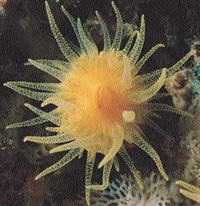 Su Segundo Farmaco Aplidin Ha iniciado la Fase III en Myeloma Multiple , un ensayo clinico para Registro que Pharma Mar llevara en solitario ya que puede Financiarlo sin problema alguno ( Aplidin es de la casa y la Dexametasona es muy barata ) ... asi mismo se espera para el 15 de Julio que Noscira presente los Resultados de Fase IIa de su Farmaco Nypta en Alzheimer . Para el proximo año de enero a junio se espera la decisión de la FDA para Yondelis Ovario .
 Desde Japón empiezan a llegar avances del Yondelis de la Mano de Taiho , la Farmaceutica que se hizo con los derechos del farmaco para ese Pais .
 Yondelis , Aplidin , Zalypsis , Irvalec y Tryptamicidin ... cinco Farmacos de Pharma Mar que ya estan en ensayos clinicos avanzados y a los que se unira un Sexto Farmaco a inicios del 2011 tal y como adelantaba en una entrevista reciente a Expansión el Director General de Pharma Mar ( L. Mora ) .
 Pharma Mar ya tiene el visto bueno de la FDA para fabricar en sus instalaciones tanto el Yondelis como la Aplidina , de momento el Yondelis tan solo se fabrica en un solo turno lo cual significa que se podría triplicar su fabricación en caso de más indicaciones ... en Julio del 2008 se adquirio un terreno contiguo a Pharma Mar de más de 6000 m2 en Colmenar Viejo ... de hecho hay varias lineas abiertas con Yondelis para nuevas indicaciones como : Mama , Prostata , Pediatricos , Sarcomas en Primera Linea y tambien ensayos en combinacion con otros Farmacos asi como en FarmacoGenomica ( Farmaco a la Carta ) .
  Por fin somos atractivos para cualquier gran inversor que se precie ... aunque tal y como estan los mercados en plan ruleta rusa ... es facil imaginar que tienen tiempo para entrar con resultados más palpables y con un Cash In-Crescendo ... en cuanto al precio de entrada es lo que menos les debe preocupar ... lo que interesa es que continuen los buenos Resultados tanto en I+D como en Cash y que los Mercados Mundiales se estabilizen .
 Pharma Mar cuenta con 300 empleados , 5 Farmacos en ensayos clinicos Oncologicos y 3 en Preclinica , Yondelis aprobado en Sarcoma y Ovario en 56 Paises , 110 Familias de Patentes , 15.000 M2 , 85.000 Muestras en su libreria ( la mayor y más importante del Mundo en I+D Marina Oncologica ) , 200 Colaboradores , 1.800 Patentes , Kahalalide y varios de sus Analogos Licenciados a Marinomed y Medimetriks respectivamente solo para uso NO Oncologico , 8000 Pacientes Tratados , 700 Nuevas Entidades Descubiertas , 30 Nuevas Familias ...
 ¡¡ Lo que ayer era un Sueño ... hoy es una Realidad !! .
- Pharma Jonpi . 10 Junio 2010 -
-
Zeltia,Iberia,Acerinox,Jazztel,Natra ... tienen algo en común: todas ellas pueden celebrar que en 2010 dirán adiós a los números rojos.


¿Cómo lograrán dar ese giro a sus resultados?
Zeltia ha encontrado la receta para mejorar sus resultados :
La farmacéutica gallega Zeltia tiene claro que su remedio contra las pérdidas es Yondelis, un fármaco para el tratamiento del cáncer de ovario que ha empezado a vender este año. Ésta es su mejor arma, la que le permitiría pasar de un Ebitda (beneficio bruto de explotación) negativo de 16 millones en 2009 al millón de euros en positivo previsto para 2010. Los títulos de Zeltia pueden revalorizarse un 67 por ciento, según el consenso de mercado que recoge FactSet.
Según León Izuzquiza, analista de Banco Sabadell, Yondelis "permitirá que la división biotecnológica de Zeltia entre en beneficios por primera vez". La compañía ?cuyos títulos recomienda mantener el consenso de mercado? prevé ingresar 117 millones este año gracias a este medicamento. Dieciocho de ellos ya entraron en sus arcas el primer trimestre. "Las ventas deben ir de menos a más; el grueso se registrará el último trimestre", dice Izuzquiza.
...
La Fundación Mutua Madrileña ha destinado desde 2003 más de 41 millones al patrocinio de 850 proyectos de investigación, becas, premios y ...
... cursos en el ámbito de la salud .
...
...
09 junio 2010
Zeltia y Amadeus , candidatos a entrar al IBEX-35 .
La una no cumple el criterio mínimo de capitalización ...
La Otra no cumple el tiempo minimo de cotización ...
La Otra no cumple el tiempo minimo de cotización ...
Cáncer de Ovario Recurrente: Yondelis/Doxil mejora Supervivencia en Pretadas con Platinos y Yondelis/ Docetaxel la mejora en Pretratadas con Taxanos .
 Cuatro estudios ofrecen nuevos resultados con Yondelis® (trabectedin) en cáncer de ovario a partir de los datos del OVA-301, un ensayo en Fase III que comparó .
Yondelis® con doxorubicina liposomal pegilada (PLD) frente a PLD como agente único en 672 pacientes con cáncer de ovario recurrente en pacientes en las que ha fracasado una primera línea de quimioterapia a base de platino:
Nuevos análisis confirman que esta nueva combinación libre de platinos y de taxanos es un régimen eficaz en pacientes con cáncer de ovario recurrente, con una tolerabilidad a largo plazo razonable en pacientes que recibieron al menos seis ciclos de tratamiento.
Resultados con Yondelis® como agente único en pacientes con cáncer de ovario recurrente con un intervalo entre seis y 12 meses sin recibir terapias con platinos son también consistentes con los hallazgos del OVA-301, que mostró el beneficio clínico superior de trabectedin + PLD en la población total. La actividad de Yondelis® parece especialmente potenciada en este importante subconjunto de pacientes con una enfermedad parcialmente sensible a los platinos, para los que existe una clara necesidad de nuevas y eficaces opciones terapéuticas.
Un análisis exploratorio del subconjunto de pacientes con enfermedad parcialmente sensible a los platinos en el estudio OVA-301 muestra un retraso significativo en el tiempo de administración del subsiguiente ciclo de platinos en los pacientes asignados de forma aleatoria al tratamiento combinado con Yondelis®. En estos pacientes se obtuvo una prolongación relevante de la supervivencia, considerada a partir de la administración de la siguiente terapia con platinos.
Un estudio en fase II del Gynecologic Oncology Group (GOG) evalúa la actividad de trabectedin más docetaxel en cáncer peritoneal primario o cáncer de ovario recurrente o persistente. Esta combinación es bien tolerada y se muestra más activa que la terapia única con taxanos en los pacientes con cáncer peritoneal o recurrente de ovario tras el fracaso de múltiples líneas de quimioterapia.
Un ensayo controlado con placebo evalúa el potencial efecto de trabectedin en los intervalos QTc del electrocardiograma. El tratamiento con Yondelis® a dosis terapéuticas no prolongó el intervalo QTc del ECG en pacientes con tumores sólidos avanzados. El perfil de seguridad y de farmacocinética de Yondelis® resultó similar al observado en estudios previos. Estos hallazgos confirman el perfil favorable de seguridad de Yondelis®, que carece de cualquier toxicidad cardiaca relevante a diferencia de algunos de los agentes utilizados con más frecuencia para el tratamiento de sarcomas avanzados o cáncer de ovario.
...
Yondelis Combinado con Doxil para Tratar Cancer de Ovario Recurrente en Pacientes Pretratadas Mejora la Supervivencia . ( ASCO Congreso ) .
 *.- El análisis mostró diferencias y ventajas estadísticamente significativas para el régimen de Yondelis / Doxil para todos los resultados.
 ...
*.- Los resultados principales de la prueba demostraron que la combinación mejora la supervivencia libre de progresión (SLP) y tasa de respuesta y que condujo a una tendencia hacia la supervivencia más larga.
...
 • PFS - 7,4 frente a 5,5 meses, p = 0,0152
 • Tasa de Respuesta - 33% versus 15%, P = 0,0041
• Supervivencia global - 23 frente a 17,1 meses, p = 0,0015
• Tiempo de tratamiento con platino posteriores - 9,8 frente a 7,9 meses, p = 0,0167
• La supervivencia general después de la terapia de platino posterior - 13,3 frente a 9,8 meses, p = 0,0357
*.- Yondelis también demostró actividad como agente único en pacientes con sensibilidad parcial de platino, según otro informe presentado en ASCO. Este análisis retrospectivo que participan 103 pacientes que participaron en el estudio de tres esquemas de dosificación trabectedina. Todos los pacientes tenían un intervalo libre de platino de seis a 12 meses.
*.- El tratamiento dado lugar a una tasa de respuesta global del 30% y enfermedad estable en el 40% de los pacientes, informó José María Del Campo, MD, del Hospital Universitario Vall d'Hebron, en Barcelona, España. La mediana del tiempo hasta la progresión fue de 5,3 meses, y el 44% de los pacientes permaneció libre de progresión a los seis meses.
...
08 junio 2010
Aplidin ( Pharma Mar ) combinado con Dacarbazine ( Bayer ) en el Tratamiento del Melanoma se Complementan y consiguen una Respuesta Completa . ASCO

Aplidin por sí sola o con dacarbazine como tratamiento de primera línea para el Melanoma Avanzado Inoperable (AUM)
Plitidepsin (APL) alone or with dacarbazine (DTIC) as first-line treatment for advanced unresectable melanoma (AUM).
Sub-category: Melanoma
Category: Melanoma/Skin Cancers
Meeting: 2010 ASCO Annual Meeting
Citation: J Clin Oncol 28:7s, 2010 (suppl; abstr 8537)
Abstract No: 8537
Author(s): E. R. Plummer, P. Lorigan, L. Hayward, J. Jassem, L. Demidov, V. Moiseyenko, V. Soriano, E. Chmielowska, R. Prados, S. Szyldergemajn; Northern Centre For Cancer Care, Newcastle upon Tyne, United Kingdom; The Christie NHS Foundation Trust, Manchester, United Kingdom; Western General Hospital, Edinburgh, United Kingdom; Medical University of Gdansk, Gdansk, Poland; Russian Cancer Research Center, Moscow, Russia; N. N. Petrov Research Institute of Oncology, St. Petersburg, Russia; Instituto Valenciano de Oncologia, Valencia, Spain; Centrum Onkologii Prof. F. Lukaszczyka, Bydgoszcz, Poland; PharmaMar, Colmenar Viejo, Madrid, Spain
Abstract:
Background: In patients (pts) with AUM, DTIC alone is associated with response rates (RR) 8%-15%. Aplidin, a novel cytotoxic, gave a RR of 6% as second line therapy in AUM. APL+DTIC have shown additive cytotoxicity in preclinical models. In the prior dose-finding stage of this study, 16% of 19 evaluable pts had a partial response (PR). Recommended dose (RD) was APL 2.4 mg/m2/d 1, 8 and 15 + DTIC 800 mg/m2/d1 q4w (Plummer, J Clin Oncol 27:15s, 2009; abstr 9059). Methods: A randomized 2 stage phase II study aim to determine the activity of Arm A (APL3.2 mg/m2/d 1, 8 and 15 q4w) or Arm B (APL+DTIC) at their established RD was performed. If at least 2 responses were observed per arm after 17 evaluable pts, 13 more pt would be included in the second stage. Results: 20 pts were randomized to Arm A and 38 pt (2 not treated) to Arm B (ITT population). Of these, 17 and 29 pts, respectively were evaluable for efficacy (PP population). Baseline characteristics were: 52% males; median (med) age, 53 y (range: 21-78); med ECOG, 1 (0-2); and med LDH 1.2 upper limit normal (0.4-8.2). All pts had metastases, with a med of 2 sites involved (1-6). Arm A was discontinued as no responses were seen; Arm B continued to stage 2. In arm B, relative dose intensity was 67% and 99% for APL and DTIC, respectively. Most frequent reason for missing doses was grade (G) 2/3 ALT/AST increase. Common mild toxicities included nausea, vomiting, hypersensitivity (G3/4 reactions in 9%), myalgia, diarrhea, and constipation. G1/2 anemia occurred in 61% of pts, and G3/4 neutropenia or thrombocytopenia in 6 and 8% of pts respectively, with no febrile neutropenia. Antitumor activity included 1 (3%) complete response, 6 (21%) PR and 8 (28%) stabilizations (SD); disease control rate (CR+PR+SD) was 52% (PP) and 42% (ITT). As of Dec 2009, with a med follow-up of 4 months, PFS is 3 months (95%CI: 2-5) and 96% of pts are alive at 1 year (95% CI: 89-100%). Pharmacogenomic analyses are ongoing. Conclusions: Weekly APL alone showed no activity in AUM, while combined with DTIC showed encouraging activity. Toxicity was manageable and non-life threatening, but it led to frequent APL dose omissions. A biweekly schedule should undergo clinical evaluation.
Yondelis , Analisis del Tratamiento en Sarcomas con 1400 Pacientes muy Pretratados . ASCO 2010 .
Trabectedin (Tr) as single agent for advanced soft tissue sarcomas (STS) failing standard of care: Interim analysis of 1,400 patients (pts) in an expanded access program study.
Sub-category: Soft Tissue
Category: Sarcoma
Meeting: 2010 ASCO Annual Meeting
Citation: J Clin Oncol 28:7s, 2010 (suppl; abstr 10027)
Abstract No: 10027
Author(s): B. L. Samuels, W. D. Tap, S. Patel, M. von Mehren, J. T. Hamm, P. E. Kaiser, S. Schuetze, J. Li, E. Bayever, G. D. Demetri; Kootenai Cancer Center, Post Falls, ID; University of California, Los Angeles Medical Hematology Oncology, Santa Monica, CA; University of Texas M. D. Anderson Cancer Center, Houston, TX; Fox Chase Cancer Center, Philadelphia, PA; Norton Health Care, Louisville, KY; Oncology Specialists, Niles, IL; University of Michigan, Ann Arbor, MI; Johnson & Johnson Pharmaceutical Research and Development, LLC, Raritan, NJ; Johnson & Johnson Pharmaceutical Research and Development, Raritan, NJ; Ludwig Center, Dana-Farber Cancer Institute/Harvard Cancer Center and Sarcoma Center, Boston, MA
Abstract:
Background: Between 2005 and 2009, 1404 pts with advanced STS were enrolled in an Expanded Access Program (EAP) of Tr in the United States, Canada and Israel, and were treated with Tr 1.5mg/m2/ via 24h continuous IV infusion q21d. The purpose of this analysis was to assess activity and tolerability of Tr in pts treated in this EAP. Methods: A total of 25 centers participated, enrolling pts with incurable STS following failure of currently available therapies. Inclusion criteria were similar to Study ET743-STS-201 (J Clin Oncol, 2009 Sep 1;27(25):4188- 96). No restrictions were placed on the number of lines of prior therapy. Data cutoff for this analysis was September 28, 2009. Results: In this analysis of 1404 Tr-treated pts; 93% were enrolled in the US. Median age was 54 years (range16-87), 59% female; major histological subgroups were leiomyosarcoma (35%) and liposarcoma (15%). The majority of pts had prior treatment with an anthracycline and ifosfamide. Median number of Tr cycles administered was 3 (range 1-55); ≥6 cycles were given to 419 pts (30%). Median dose intensity of Tr was 1.3 mg/m2/cycle (0.20-1.77), 0.433 mg/m2/week (0.07; 0.59), relative dose intensity 87% (13-118). There were 429 (31%) dose reductions due to AE and 378 (27%) cycle delays. The most common AEs were neutropenia and transaminase elevations, however these were manageable and without serious clinical consequences. The primary reported causes of treatment termination (1191 pts) were disease progression (859 pts, 61%), adverse events (105, 7%), subject choice (99, 7%), and death (61, 4%) {fatal outcomes reported in association with adverse events 30; drug related, progressive disease 27, or other 4}. Reported best outcomes in 504 evaluable pts were CR 1 (<1%), PR 36 (7%), SD 166 (33%), PD 229 (45%). Conclusions: This EAP for heavily pretreated pts with STS represents one of the largest therapeutic experiences. Tr activity is consistent with prior trials, with a clinical benefit (objective responses + SD) of 41% with an expected toxicity profile. These results demonstrate the potential clinical utility of Tr in STS following failure of conventional therapies.
Sub-category: Soft Tissue
Category: Sarcoma
Meeting: 2010 ASCO Annual Meeting
Citation: J Clin Oncol 28:7s, 2010 (suppl; abstr 10027)
Abstract No: 10027
Author(s): B. L. Samuels, W. D. Tap, S. Patel, M. von Mehren, J. T. Hamm, P. E. Kaiser, S. Schuetze, J. Li, E. Bayever, G. D. Demetri; Kootenai Cancer Center, Post Falls, ID; University of California, Los Angeles Medical Hematology Oncology, Santa Monica, CA; University of Texas M. D. Anderson Cancer Center, Houston, TX; Fox Chase Cancer Center, Philadelphia, PA; Norton Health Care, Louisville, KY; Oncology Specialists, Niles, IL; University of Michigan, Ann Arbor, MI; Johnson & Johnson Pharmaceutical Research and Development, LLC, Raritan, NJ; Johnson & Johnson Pharmaceutical Research and Development, Raritan, NJ; Ludwig Center, Dana-Farber Cancer Institute/Harvard Cancer Center and Sarcoma Center, Boston, MA
Abstract:
Background: Between 2005 and 2009, 1404 pts with advanced STS were enrolled in an Expanded Access Program (EAP) of Tr in the United States, Canada and Israel, and were treated with Tr 1.5mg/m2/ via 24h continuous IV infusion q21d. The purpose of this analysis was to assess activity and tolerability of Tr in pts treated in this EAP. Methods: A total of 25 centers participated, enrolling pts with incurable STS following failure of currently available therapies. Inclusion criteria were similar to Study ET743-STS-201 (J Clin Oncol, 2009 Sep 1;27(25):4188- 96). No restrictions were placed on the number of lines of prior therapy. Data cutoff for this analysis was September 28, 2009. Results: In this analysis of 1404 Tr-treated pts; 93% were enrolled in the US. Median age was 54 years (range16-87), 59% female; major histological subgroups were leiomyosarcoma (35%) and liposarcoma (15%). The majority of pts had prior treatment with an anthracycline and ifosfamide. Median number of Tr cycles administered was 3 (range 1-55); ≥6 cycles were given to 419 pts (30%). Median dose intensity of Tr was 1.3 mg/m2/cycle (0.20-1.77), 0.433 mg/m2/week (0.07; 0.59), relative dose intensity 87% (13-118). There were 429 (31%) dose reductions due to AE and 378 (27%) cycle delays. The most common AEs were neutropenia and transaminase elevations, however these were manageable and without serious clinical consequences. The primary reported causes of treatment termination (1191 pts) were disease progression (859 pts, 61%), adverse events (105, 7%), subject choice (99, 7%), and death (61, 4%) {fatal outcomes reported in association with adverse events 30; drug related, progressive disease 27, or other 4}. Reported best outcomes in 504 evaluable pts were CR 1 (<1%), PR 36 (7%), SD 166 (33%), PD 229 (45%). Conclusions: This EAP for heavily pretreated pts with STS represents one of the largest therapeutic experiences. Tr activity is consistent with prior trials, with a clinical benefit (objective responses + SD) of 41% with an expected toxicity profile. These results demonstrate the potential clinical utility of Tr in STS following failure of conventional therapies.
Yondelis en Pacientes con Sarcoma Sinovial . ASCO 2010 .
Trabectedin (T) in advanced, pretreated synovial sarcomas (SS): A retrospective analysis of 39 patients (pts) from three European institutions.
Sub-category: Soft Tissue
Category: Sarcoma
Meeting: 2010 ASCO Annual Meeting
Citation: J Clin Oncol 28:7s, 2010 (suppl; abstr 10030)
Abstract No: 10030
Author(s): P. Dileo, R. Sanfilippo, F. Grosso, E. Fumagalli, J. Blay, J. Domont, A. Le Cesne, J. C. Tercero, P. G. Casali; Fondazione IRCCS Istituto Nazionale Tumori, Milan, Italy; ASO Alessandria, Alessandria, Italy; Université Claude Bernard Lyon I, Lyon, France; Institut Gustave Roussy, Villejuif, France; PharmaMar, Colmenar Viejo, Madrid, Spain; Istituto Nazionale dei Tumori, Milano, Italy
Abstract:
Background: T is effective in advanced soft tissue sarcomas, with special regard to liposarcoma and leiomyosarcoma. Mechanisms of action may be multifold: induction of DNA damage, involving specific and peculiar DNA repair pathways, and transcriptional interference. The latter mechanism may be more significant in myxoid liposarcomas. Other translocation-related sarcomas may be sensitive to T. SS is a translocation-related sarcoma. We report on a series of 39 pts with advanced SS who were treated with T in three European sarcoma centres within compassionate-use programs. Methods: The datasets of Istituto Nazionale Tumori, Milano, Italy; Centre Leon Berard, Lyon, and Institut Gustave Roussy, Villejuif, France, were retrospectively reviewed from 2000 to 2009. Overall, 21/39 pts were female, and age ranged from 18 to 67 years. Sites of primary lesions were extremities = 23, mediastinum = 6, trunk = 5, pelvis = 4, head and neck = 1. At the time of treatment, all pts presented with metastatic disease, and were pre-treated with a median of 3 chemotherapy lines (range: 2-7). Results: 186 courses were delivered (median: 3). All pts were evaluable for response. Seven pts had a PR, for an overall response rate (RR) of 18%. In addition, 2 MR, and 11 SD were observed. Progression-free survival at 6 months (PFR-6) was 23%. Median PFS was 29, 21, and 18 weeks, respectively, in pts who experienced PR, MR and SD. Conclusions: In this series of adult pts with advanced pre-treated SS, T induced a RR of 18% and a PFR-6 of 23%. This suggests that SS constitute a sarcoma subgroup with distinct sensitivity to T.
Sub-category: Soft Tissue
Category: Sarcoma
Meeting: 2010 ASCO Annual Meeting
Citation: J Clin Oncol 28:7s, 2010 (suppl; abstr 10030)
Abstract No: 10030
Author(s): P. Dileo, R. Sanfilippo, F. Grosso, E. Fumagalli, J. Blay, J. Domont, A. Le Cesne, J. C. Tercero, P. G. Casali; Fondazione IRCCS Istituto Nazionale Tumori, Milan, Italy; ASO Alessandria, Alessandria, Italy; Université Claude Bernard Lyon I, Lyon, France; Institut Gustave Roussy, Villejuif, France; PharmaMar, Colmenar Viejo, Madrid, Spain; Istituto Nazionale dei Tumori, Milano, Italy
Abstract:
Background: T is effective in advanced soft tissue sarcomas, with special regard to liposarcoma and leiomyosarcoma. Mechanisms of action may be multifold: induction of DNA damage, involving specific and peculiar DNA repair pathways, and transcriptional interference. The latter mechanism may be more significant in myxoid liposarcomas. Other translocation-related sarcomas may be sensitive to T. SS is a translocation-related sarcoma. We report on a series of 39 pts with advanced SS who were treated with T in three European sarcoma centres within compassionate-use programs. Methods: The datasets of Istituto Nazionale Tumori, Milano, Italy; Centre Leon Berard, Lyon, and Institut Gustave Roussy, Villejuif, France, were retrospectively reviewed from 2000 to 2009. Overall, 21/39 pts were female, and age ranged from 18 to 67 years. Sites of primary lesions were extremities = 23, mediastinum = 6, trunk = 5, pelvis = 4, head and neck = 1. At the time of treatment, all pts presented with metastatic disease, and were pre-treated with a median of 3 chemotherapy lines (range: 2-7). Results: 186 courses were delivered (median: 3). All pts were evaluable for response. Seven pts had a PR, for an overall response rate (RR) of 18%. In addition, 2 MR, and 11 SD were observed. Progression-free survival at 6 months (PFR-6) was 23%. Median PFS was 29, 21, and 18 weeks, respectively, in pts who experienced PR, MR and SD. Conclusions: In this series of adult pts with advanced pre-treated SS, T induced a RR of 18% and a PFR-6 of 23%. This suggests that SS constitute a sarcoma subgroup with distinct sensitivity to T.
Yondelis es Activo en el Tratamiento de LeioMyoSarcoams Uterinos en Pacientes Pretratados . ASCO 2010 .
Trabectedin (Tr) in the treatment of advanced uterine leiomyosarcomas (U-LMS): Results of a pooled analysis of five single-agent phase II studies using the recommended dose.
Tuesday 8 June 2010 .
Abstract No: 10028
Author(s): I. R. Judson, J. Blay, S. P. Chawla, J. A. Radford, A. Le Cesne, J. Verweij, M. von Mehren, J. Pontes, E. Bayever, G. D. Demetri; Cancer Research UK Centre for Cancer Therapeutics, London, United Kingdom; Université Claude Bernard Lyon I, Lyon, France; Sarcoma Oncology Center, Santa Monica, CA; University of Manchester and Christie NHS Foundation Trust, Manchester, United Kingdom; Institut Gustave Roussy, Villejuif, France; Department of Medical Oncology, Erasmus University Medical Center Daniel den Hoed Cancer Center, Rotterdam, Netherlands; Fox Chase Cancer Center, Philadelphia, PA; PharmaMar, Colmenar Viejo, Madrid, Spain; Johnson & Johnson Pharmaceutical Research and Development, Raritan, NJ; Ludwig Center, Dana-Farber Cancer Institute/Harvard Cancer Center and Sarcoma Center, Boston, MA
Abstract:
Background: Trabectedin is approved in Europe and 19 other countries around the world for second-line treatment of advanced soft tissue sarcomas (STS), with activity documented in several phase II studies. Uterine sarcoma represent 1% of all gynecological malignancies and 30% of all uterine sarcoma are U-LMS. A pooled analysis of activity and tolerability of Tr in U-LMS patients (pts) from five phase II trials is presented. Methods: Retrospective analysis was done on data from 5 different trials, with a total of 62 generally pretreated pts with advanced U-LMS (prior anthracycline-based chemotherapy: 91.9%; prior surgery: 98.4%; prior radiotherapy: 48.4%), exposed to a median of two prior chemotherapy lines (range 0-6), received iv Tr 1.5 mg/m2 24-h q3wk. Efficacy endpoints were response rate (RR) by investigator assessment (IA), progression-free survival (PFS) and overall survival (OS). Safety was also analyzed. Results: Median age 53 (range:34-75) years; median No. cycles 3 (1-38); median relative dose intensity 90%. Eleven pts achieved PR (17.7%) and 20 pts SD (32.3%; 13% ≥6 months), PD 43.5% and NE 6.5%. Median PFS was 2.5 months (95% CI:1.7-4.2); 30.7% (CI 95% 19-43) pts were progression free at 6 months. Median OS was 12.1 months, with 52% (CI 95% 39-64) and 20% (CI 95% 10-30) of pts alive at 12 and 24 months, respectively. Worst per patient grade 3-4 AEs included neutropenia (41.9%), thrombocytopenia (9.7%), anemia (9.7 %), fatigue (8.1%) and febrile neutropenia (1.6%). G-CSF was used in 17.7% of pts. Transient G3-4 ALT and AST elevations occurred in 43.5% and 30.6 % without symptoms/signs of hepatic failure. Alopecia (4.8%) and peripheral neuropathy (1.6%) were uncommon. Conclusions: Tr has activity and is reasonably safe for pts with advanced U-LMS. Nearly one-third of pts were progression-free for 6 months or more, and over half (52%) of these pretreated pts were alive at one year. RR, PFS and OS compare favorably to published outcomes with other single agents (e.g., doxorubicin). These results warrant further prospective studies in first-line U-LMS combining Tr with other active drugs.
Tuesday 8 June 2010 .
Abstract No: 10028
Author(s): I. R. Judson, J. Blay, S. P. Chawla, J. A. Radford, A. Le Cesne, J. Verweij, M. von Mehren, J. Pontes, E. Bayever, G. D. Demetri; Cancer Research UK Centre for Cancer Therapeutics, London, United Kingdom; Université Claude Bernard Lyon I, Lyon, France; Sarcoma Oncology Center, Santa Monica, CA; University of Manchester and Christie NHS Foundation Trust, Manchester, United Kingdom; Institut Gustave Roussy, Villejuif, France; Department of Medical Oncology, Erasmus University Medical Center Daniel den Hoed Cancer Center, Rotterdam, Netherlands; Fox Chase Cancer Center, Philadelphia, PA; PharmaMar, Colmenar Viejo, Madrid, Spain; Johnson & Johnson Pharmaceutical Research and Development, Raritan, NJ; Ludwig Center, Dana-Farber Cancer Institute/Harvard Cancer Center and Sarcoma Center, Boston, MA
Abstract:
Background: Trabectedin is approved in Europe and 19 other countries around the world for second-line treatment of advanced soft tissue sarcomas (STS), with activity documented in several phase II studies. Uterine sarcoma represent 1% of all gynecological malignancies and 30% of all uterine sarcoma are U-LMS. A pooled analysis of activity and tolerability of Tr in U-LMS patients (pts) from five phase II trials is presented. Methods: Retrospective analysis was done on data from 5 different trials, with a total of 62 generally pretreated pts with advanced U-LMS (prior anthracycline-based chemotherapy: 91.9%; prior surgery: 98.4%; prior radiotherapy: 48.4%), exposed to a median of two prior chemotherapy lines (range 0-6), received iv Tr 1.5 mg/m2 24-h q3wk. Efficacy endpoints were response rate (RR) by investigator assessment (IA), progression-free survival (PFS) and overall survival (OS). Safety was also analyzed. Results: Median age 53 (range:34-75) years; median No. cycles 3 (1-38); median relative dose intensity 90%. Eleven pts achieved PR (17.7%) and 20 pts SD (32.3%; 13% ≥6 months), PD 43.5% and NE 6.5%. Median PFS was 2.5 months (95% CI:1.7-4.2); 30.7% (CI 95% 19-43) pts were progression free at 6 months. Median OS was 12.1 months, with 52% (CI 95% 39-64) and 20% (CI 95% 10-30) of pts alive at 12 and 24 months, respectively. Worst per patient grade 3-4 AEs included neutropenia (41.9%), thrombocytopenia (9.7%), anemia (9.7 %), fatigue (8.1%) and febrile neutropenia (1.6%). G-CSF was used in 17.7% of pts. Transient G3-4 ALT and AST elevations occurred in 43.5% and 30.6 % without symptoms/signs of hepatic failure. Alopecia (4.8%) and peripheral neuropathy (1.6%) were uncommon. Conclusions: Tr has activity and is reasonably safe for pts with advanced U-LMS. Nearly one-third of pts were progression-free for 6 months or more, and over half (52%) of these pretreated pts were alive at one year. RR, PFS and OS compare favorably to published outcomes with other single agents (e.g., doxorubicin). These results warrant further prospective studies in first-line U-LMS combining Tr with other active drugs.

La supresión de blindajes a cotizadas no se está haciendo con el mecanismo idóneo, según un informe .
... El profesor del IE Business School calificó este "problema" como "de gestores y accionistas", y lamentó además que en los blindajes "se trata de elegir entre el secuestro de una compañía por su accionista principal y el secuestro por directivos". "Damos por hecho que, en todo caso, la compañía está secuestrada", añadió.
...
...
El Fondo del Mar sigue Aportando Fármacos contra el Cáncer . Aplidin inicia la Fase III de Registro en Cáncer de Myeloma Multiple Recurrente .

NUEVO MEDICAMENTO PARA EL CÁNCER de Myeloma Multiple Recurrente inicia la Fase III .
En relación al Farmaco :
The mechanism of action of Aplidin.
Instituto de Investigaciones Biomédicas Alberto Sols, Consejo Superior de Investigaciones Científicas-Universidad Autónoma de Madrid, Arturo Duperier, 4, E-28029 Madrid, Spain.
Plitidepsin (PharmaMar SA) is a cyclodepsipeptide originally isolated from the Mediterranean tunicate Aplidium albicans, and has demonstrated strong anticancer activity against a large variety of cultured human cancer cells and in xenografted mice. Phase I/II clinical trials of plitidepsin yielded promising results of anticancer activity in patients with cancer. Several studies have revealed that plitidepsin induces cell cycle arrest or apoptosis in a cell type- and dose-dependent manner. These effects are related to the induction of early oxidative stress, the activation of Rac1 GTPase and the inhibition of protein phosphatases, which in conjunction cause the sustained activation of JNK and p38 MAPK. This review outlines the current knowledge of plitidepsin activity, with a primary focus on the molecular mechanisms of action of the compound.
Aplidin Inicia la Fase III para Tratar el Myeloma Multiple .

P.D. : Como BioFarmaceutica Oncologica supone un Exito importantisimo y todo un logro en su Apuesta en la I+D Marina . Un Farmaco ya en el Mercado ( Yondelis ) y un Segundo Farmaco ( Aplidin ) ya en Fase III , una Fase III Pivotal que Pharma Mar llevara a cabo en Solitario .
************************************************************
PharmaMar inicia una Fase III de registro de Aplidin® en pacientes con mieloma múltiple recurrente
Madrid, 8 de junio de 2010:
PharmaMar SA (Grupo Zeltia, ZEL.MC) ha anunciado el inicio de un ensayo clínico de registro con Aplidin® (plitidepsin) en combinación con dexametasona, comparado con dexametasona como agente único, para el tratamiento del mieloma múltiple recurrente.
El ensayo clínico internacional multicéntrico de Fase III pivotal con Aplidin® para mieloma múltiple, llamado ADMYRE, se llevará a cabo en 60 centros de 20 países (incluidos Estados Unidos, Europa, Asia y América del Sur). Involucrará a 300 pacientes, con un periodo establecido de reclutamiento de 24 meses. El objetivo primario del ensayo ADMYRE es supervivencia libre de progresión.
Aplidin® es un agente antitumoral descubierto en el tunicado mediterráneo
Aplidium albicans y obtenido actualmente por síntesis química. Es el segundo compuesto más avanzado en desarrollo clínico de PharmaMar.
07 junio 2010

C.N. RC7 Organiza la Travesia a Nado del Estrecho de Gibraltar a Favor del Myeloma Multiple .
 Colaborando con AEAL ( Asociación Linfoma - Mieloma y Leucemia ) http://www.aeal.es/
 Más informacion :
http://clubnatacionrc7.com/
Yondelis Combinado con Doxil para Cáncer de Ovario en ASCO : Nuevos Datos sobre el Estudio OVA - 301 .
 Presentado Domingo 6 de Mayo :
Extending platinum-free interval (PFI) in partially platinum-sensitive (PPS) patients (pts) with recurrent ovarian cancer (ROC) treated with trabectedin (Tr) plus pegylated liposomal doxorubicin (Tr+PLD) versus PLD alone: Results from a PPS cohort of a phase III study.
Abstract No: 5012
Author(s): A. Poveda, S. Tjulandin, B. Kong, M. Roy, S. Chan, E. Filipczyk-Cisarz, H. Hagberg, C. Lebedinsky, T. V. Parekh, B. J. Monk; Instituto Valenciano de Oncologia, Valencia, Spain; N. N. Blokhin Russian Cancer Research Center, Moscow, Russia; Qilu Hospital, Shandong University China, Jinan City, China; CHUQ Pavillon Hotel-Dieu, Quebec, QC, Canada; Nottingham University Hospital, Nottingham, United Kingdom; Dolnoslaskie Centrum Onkologii, Wroclaw, Poland; Akademiska Sjukhuset, Uppsala, Sweden; PharmaMar, Colmenar Viejo, Madrid, Spain; Ortho Biotech Oncology Research and Development, Raritan, NJ; University of California, Irvine Medical Center, Orange, CA
Abstract:
Background: OVA-301, a phase III study comparing Tr+PLD vs. PLD alone in 672 ROC pts progressing after one prior platinum-based regimen, showed significantly longer progression-free survival (PFS), higher response rate (RR) for the combination by 3 separate assessments: independent radiology (IR), independent oncology (IO) and investigators (IA) and a positive trend for longer survival (OS) (Monk, Ann Oncol 2008 vol 19 Sup8). Methods: PFI > 6 mo was found in 430 (64%) of 672 randomized pts, including 214 (32%) pts with PPS disease (PFI 6-12 mo). Outcomes of this nonplatinum combination on PFS, RR and OS (protocol-specified interim analysis, cutoff May 08) are shown for the PPS population. We evaluated time from randomization to subsequent platinum (SP) and survival time from SP.
Results: Baseline characteristics of pts with PPS were balanced and consistent with those of the overall study population. Median (med) no. cycles, 6 (Tr+PLD) vs. 5 (PLD); 40% vs. 24% pts received ≥ 7 cycles. RR and PFS by IR significantly favored Tr+PLD: 33% vs. 15% (p = 0.0041); med PFS 7.4 vs. 5.5 mo (HR 0.65; p = 0.0152), with consistently superior outcomes by both IO and IA. Med OS from randomization was in favor of Tr+PLD: 20.7 vs. 17.2 mo (HR: 0.59; p=0.0090). Proportion of pts receiving SP was comparable in both arms. A significant delay in the administration of SP with the combination (med 15.3 vs. 11.6 mo; HR 0.60, p = 0.0093) was observed. Med survival time from start of SP until death or last contact was 11.0 vs. 9.2 mo (HR 0.72, p = 0.2480). The Tr+PLD safety profile of PPS cohort agreed with that of the overall study population and was consistent with known toxicities of each agent. No new or unexpected toxicities were seen.
Conclusions: In the PPS cohort of OVA-301, Tr+PLD induced significantly superior RR, PFS and OS (3.5 mo prolongation in med OS). Significant delay in time to SP and longer survival after SP therapy was seen after this nonplatinum regimen. Safety was manageable rendering a highly favorable benefit/risk ratio in this population with high unmet need for new therapeutic options.
Aplidin en ASCO : Plitidepsin cardiac safety analysis.

Presentado Domingo 6 de Mayo :
Plitidepsin cardiac safety analysis.
Abstract No: e13599
Author(s): A. Soto-Matos, S. Szyldergemajn, S. Extremera, B. Miguel-Lillo, V. Alfaro, C. Coronado, P. Lardelli, E. Roy, C. S. Corrado, C. M. Kahatt; PharmaMar, Colmenar Viejo, Madrid, Spain
Abstract:
Background: Plitidepsin (Aplidin, APL) is a cyclic depsipeptide of marine origin in phase II/III development in cancer patients (pts). It induces apoptosis through rapid and sustained JNK activation. Some depsipeptides have been linked to increased cardiac toxicity. Methods: Clinical databases were searched for cardiac adverse events (CAEs) in studies with single-agent APL as of Nov08. Demographic, clinical, and pharmacological variables were explored by univariate and multivariate regression logistic analysis.
Results: Forty-six of the 578 pts (8.0%) treated had at least 1 CAE; of these 1.9% (11) were APL-related. No fatal cases occurred. CAEs were classified into 3 main groups. The most frequent were rhythm abnormalities (RA) (n=31; 5.4%), whereas atrial fibrillation (AF)/flutter accounted for most cases (n=15; 2.6%). Of note, no cases of life-threatening ventricular arrhythmias occurred. The myocardial injury events (MI) (n=17; 3.0%) included possible ischemic related events as well as non-ischemic events. Finally, miscellaneous (M) (n=6; 1.0%) included all other CAEs that did not fit in neither prior one. None of the M events was related to APL. Significant associations were found with prostate or pancreas cancer diagnosis (p=0.002), known baseline cardiac risk factors (p=0.002), myalgia at baseline (p=0.004), lower Hgb levels (p= 0.006) and grade ≥ 2 hypokalemia (p=0.006). Treatment-related variables, such as APL dose, N of cycles or schedule did not result in any association. ECGs performed before and after APL administration (n=136) did not show any relevant effect on QTc interval. None of the PK parameters analyzed (Cmax and AUC from day 0 to day 28) had any significant impact on the probability of developing a CAE.
Conclusions: The most frequent type of CAEs observed were AF/atrial flutter, although its incidence was not different to what is reported in age-matched healthy population. All other type of CAEs were rare. No dose- cumulative pattern was observed; moreover, no treatment-related variables were associated with CAEs. Relevant risk factors identified were related to pts condition and/or disease-related characteristics rather than to drug exposure. Data available on 578 adult pts with advanced cancer treated with singe-agent APL supports a safe cardiac profile.
Yondelis en ASCO : Surgery of Residual Disease of Myxoid Liposarcoma Patients Responding to Yondelis .

Presentado Domingo 6 de Mayo :
Surgery of Residual Disease of Myxoid Liposarcoma Patients Responding to Trabectedin.
Abstract No: 10056
Author(s): R. Sanfilippo, F. Grosso, M. D'Incalci, P. Dileo, S. Pilotti, C. Morosi, M. Fiore, J. C. Tercero, A. Gronchi, P. G. Casali; Fondazione IRCCS Istituto Nazionale Tumori, Milan, Italy; ASO Alessandria, Alessandria, Italy; Istituto di Ricerche Farmacologiche, Milan, Italy; Istituto Nazionale dei Tumori, Milano, Italy; PharmaMar, Colmenar Viejo, Madrid, Spain
Abstract:
Background: Our single-institution series, now including 53 metastatic MLS patients (pts) treated with trabectedin (T), was reviewed focusing on the use of surgery of residual disease. Methods: Since September 2002, 53 pts with metastatic pretreated MLS received T. Median age at T start was 48 yrs (range 27-77). T was given as a 24-hr continuous infusion every 21 days, at a dose between 1.0 to 1.5 mg/sqm.
Results: 578 courses were delivered (median = 10/pt). RECIST response rate was 50%, the median TTP was 15 months (90% CI = 9-18) and OS was 48 months. Eighteen pts stopped T on their best response (2 CR, 10 PR, 6 MR/SD): 10 remained in follow-up after a median of 11 courses and 8 underwent surgery of residual disease after a median of 12 courses. The decision whether to do surgery was based on resectability and extent of metastatic disease. Surgery was complete in all cases. Median TTP from treatment start was 30 and 25 months, respectively, in surgically and non-surgically treated pts. TTP was 14 months from treatment end in both groups. At a median follow-up of 29 months from treatment end, 13 pts relapsed (7 and 6 in the two subgroups). Twelve of these pts were rechallenged with T, obtaining 2 CR, 5 PR and 5 SD (median PFS = 14 months).
Conclusions: T provides prolonged tumor control in MLS. Surgery of residual disease in responding pts is an option. However, in this small series it did not seem to provide any major advantage, in the face of a selection bias favouring in principle operated pts. T rechallenge at progression in pts who stopped their treatment on best response was associated with significant further tumor control. Prospective studies to define optimal management of MLS pts responding to T are warranted.
06 junio 2010
Yondelis en ASCO : A phase II trial of Yondelis in Patients with HER2-Positive and BRCA1/2 Germ-line-Mutated Metastatic Breast Cancer .
Presentado Sabado dia 5 Mayo :A phase II trial of trabectedin (T) in patients (pts) with HER2-positive and BRCA1/2 germ-line-mutated metastatic breast cancer (MBC).
ABSTRACT Nº 1038 .
Author(s): K. L. Tedesco, J. L. Blum, A. Goncalves, J. Lubinski, N. Ben-Baruch, C. R. Osborne, P. Lardelli, J. C. Tercero, F. A. Holmes, S. Delaloge; US Oncology, New York Oncology Hematology, Albany, NY; Baylor-Charles A. Sammons Cancer Center, Texas Oncology PA, and US Oncology, Dallas, TX; Institut Paoli Calmettes, Marseille, France; International Hereditary Cancer Center, Szczecin, Poland; Kaplan Medical Center, Rehovot, Israel; PharmaMar, Colmenar Viejo, Madrid, Spain; US Oncology Research, Houston, TX; Institut Gustave Roussy, Villejuif, France
Abstract:
Background: Single agent T has shown activity in soft tissue sarcoma (STS), ovarian, and breast carcinoma. The European Commission has approved T for STS treatment in adults after failure of standard therapy and for platinum sensitive relapsed ovarian cancer. In 3 phase II studies T showed antitumor activity in pts with pretreated MBC. Preclinical and clinical data suggested T may display specific activity among certain nucleotide excision repair (NER) intact or homologous recombination repair (HRR) deficient MBC, and prompted this phase II trial. Methods: T was given at 1.3 mg/m2 as a 3-hour iv infusion 3qwks to pts with pretreated progressive MBC: Group A: ER/PR/HER2- negative; Group B: HER2 overexpressed (3+), and Group C: BRCA1/2 mutation carriers. Endpoints were objective response rate by RECIST, duration of response, progression free survival (PFS), safety, and pharmacogenomics (PGx).
Results: Group A was closed due to low response rate; results have already been presented. A total of 55 pts have been enrolled in groups B (31) and C (24) (median [med] age: 53, ECOG 0/1: 25/30); med number of prior chemotherapy lines: 3 (1-8). Med number of T cycles administered: 3 (1-12+) for both groups. Per external review, of 29 evaluable HER2 3+ pts, 3 confirmed partial responses (PR) were observed. From 21 BRCA1/2 mutation carrier pts, there were 3 confirmed PR. 17 (58.6%) and 8 (38.1%) pts in groups B and C achieved stable disease (SD). Two HER2 3+ pts had SD longer than 6 months. Med PFS was 3.9 months in each arm. The most frequent grade 3-4 laboratory disorders were neutropenia (38%) and (57%), and ALT elevations (57%) and (45%) for groups B and C, respectively. Fatigue, nausea, and vomiting were the most common AEs (51%, 39% and 20% for both groups B and C) of mild to moderate severity in the vast majority of pts. Tissue samples from HER2 3+ pts and BRCA mutation carriers were collected for RNA expression analysis (XPG + ERCC1 + BRCA1). Analyses are ongoing.
Conclusions: T showed anti-MBC activity in BRCA1/2 mutation carriers and HER2 3+ pts with a manageable safety profile. Complete efficacy data from groups B and C and PGx results will be discussed to help selecting the MBC patients who are at highest chance for response.
Yondelis en ASCO : Tolerability of Long-term use of Yondelis in Combination with Doxil in Patients with Relapsed Ovarian Cancer .

Presentado Sabado 5 de Mayo :
Tolerability of long-term use of trabectedin (Tr) in combination with pegylated liposomal doxorubicin (PLD) in patients (pts) with relapsed ovarian cancer (ROC).
ABSTRACT 5121.
Author(s): I. Romero, N. Colombo, S. B. Kaye, J. Arranz, A. Roszak, D. M. Provencher, P. Santabarbara, E. Bayever, E. Almorin, F. Muggia; Instituto Valenciano de Oncologia, Valencia, Spain; University of Milan-Bicocca, Milan, Italy; The Royal Marsden NHS Foundation Trust, Sutton, United Kingdom; Hospital General Universitario Gregorio Marañon, Madrid, Spain; Wielkopolsice Centrum Oncology, Poznan, Poland; CHUM-Hôpital Notre-Dame, Montreal, QC, Canada; PharmaMar, Colmenar Viejo, Madrid, Spain; Johnson & Johnson Pharmaceutical Research and Development, Raritan, NJ; New York University Medical Center, New York, NY
Abstract:
Background: OVA-301 was an open-label, multicenter, randomized phase III study comparing Tr+ PLD to PLD alone in 672 pts with ROC. The combination significantly improved PFS and RR, with a trend toward longer OS and manageable noncumulative toxicity (Monk, Ann Oncol 2008, Abs. LBA4). Protracted tolerability of Tr 1.1 mg/m2 and PLD 30 mg/m2, 3h-q3weeks vs. PLD 50 mg/m2 1.5h- q4weeks in pts receiving ≥6 cycles was analyzed. Methods: Safety evaluated in 320 (of 663 treated) pts receiving ≥ 6 cycles by adverse events (AEs), laboratory data and physical findings (NCI CTC Version 3.0).
Results: Baseline characteristics were balanced: median age 56 years (26-87); ECOG 0: 68%; median platinum-free interval: 9.2 months; prior taxanes: 78%; papillary/serous histology: 72%.
Conclusions: This novel nonplatinum, nontaxane combination is an efficacious regimen in pts with ROC with reasonable long-term tolerability in pts that received ≥ 6 cycles. Hematological toxicity and transaminase elevations were more common in the combination arm, yet transient, and not cumulative; and less frequent than at <6 cycles. HFS, mucosal inflammation, and stomatitis were more common with PLD. Discontinuation rates due to AEs were low. Updated data will be presented.
--------------------------------------------------------------------------------
Pts with ≥ 6 cycles Tr + PLD
(173 pts/1,580 cycles) PLD
(147 pts/1,224 cycles)
--------------------------------------------------------------------------------
Median cycles (range) 8 (6-21) 7 (6-22)
G3-4 hematologic AEs (per cycle) (%)
Neutropenia1/anemia/thrombocytopenia/
febrile neutropenia 40/4/5/1 17/1/1/<1
G3-4 transaminase elevations (per cycle) (%)2,3
AST/ALT 11/2 -/-
Any grade AEs (per cycle) (%)
Hand-foot syndrome(HFS)/mucosal inflammation/
stomatitis/hypersensitivity4 7/3/5/0.3 22/10/11/0.4
Supportive therapies (per cycle) (%)
G- CSF/antianemics 26/14 7/5
Reason for discontinuation (per pts)5
Drug-related AE (mainly neutropenia and
hand-foot syndrome) (%) 9 6
--------------------------------------------------------------------------------
1 Neutropenia more common at cycle <6 for both arms. 2 No hepatic failures. 3 In contrast to cycle <6: ALT, 95%; AST, 92%. 4 Only occurred in cycle 1-2. 5 Disease progression is most common reason for both arms.
One drug-related death with Tr+PLD: acute myeloid leukemia.
Yondelis en ASCO : Trabectedin ( Yondelis ) as Single Agent in Relapsed Ovarian Cancer Patients with a Platinum-free interval of 6 to 12 Months .
Presentado Sabado 5 de Mayo :ABSTRTACT 5060 .
Author(s): J. del Campo, T. Ciuleanu, C. Sessa, A. M. Westermann, A. Roszak, S. Chan, T. Hogberg, P. Zintl, Y. C. Park, C. N. Krasner; Vall d'Hebron Hospital, Barcelona, Spain; Institutul Oncologic I. Chiricuta, Cluj-Napoca, Romania; Oncology Institute of Southern Switzerland, Ospedale Regionale Bellinzona e Valli, Bellinzona, Switzerland; Center Department of Medical Oncology, Amsterdam Zuidoost, Netherlands; Wielkopolsice Centrum Oncology, Poznan, Poland; Nottingham University Hospital, Nottingham, United Kingdom; Nordic Society of Gynaecological Oncology, Lund, Sweden; PharmaMar, Colmenar Viejo, Madrid, Spain; Johnson & Johnson Pharmaceutical Research and Development, New Jersey, NJ; Massachusetts General Hospital Gillette Center for Women's Cancer, Boston, MA
Abstract:
Background: A pooled analysis of efficacy with Tr as second/third line in 295 ROC pts demonstrated a median time to progression (TTP) of 4.6 months (mo) (McMeekin, ASCO 2007). Pts sensitive to platinum with a PFI > 6 m (PS), reached a TTP of 6.0 mo, and an overall response rate (ORR) of 36.4% (45.5% in pts with ≥ 2 prior lines). This subanalysis is focused in ROC pts with partially platinum sensitive (PPS) disease, i.e. relapsing between 6-12 m after the end of last prior platinum regimen (PFI:6-12 mo).
Methods: Of the 295 pts, 103 were PPS). Three Tr schedules were studied: weekly (0.58 mg/m2 3-h x3 q4w), and two every 3 weeks (1.3 mg/m2 3-h and 1.5 mg/m2 24-h), that were administered to 41%, 34% and 25% patients, respectively. Efficacy and safety in these patients are reported.
Results: Baseline characteristics: median age 58 years (35-80), ECOG PS 0/1: 72%/27%; papillary/serous histology 76%; histology grade 1-2/3: 28%/58%; liver involvement 35%. Treatment with Tr induced 4% complete responses (CR), 26% partial responses (PR), and 40% stable disease (SD); median response duration (RD:PR+CR) 5.2 mo.(95%CI: 3.9-5.8). Median TTP was 5.3 mo (95%CI: 3.8-6.2); 44% pts were progression free at 6 mo (95%CI: 34%-54%). In pts with liver metastases CR+PR was 36% with median TTP 5.3 mo (95%CI: 3.7-6.5). The most common adverse events were neutropenia and transaminase elevations, which were manageable and without serious clinical consequences.
Conclusions: Tr monotherapy is active in patients with ROC, including patients with PPS disease (PFI 6-12 mo), with a 30% ORR plus 40% SD, with a median TTP of 5.3 mo. Activity was retained in pts with liver metastasis, with 36% ORR and identical TTP. These single-agent results support the findings of the randomized phase III trial OVA-301 where trabectedin + PLD demonstrated superior clinical benefit over PLD alone in the overall population with particularly pronounced efficacy in the PPS cohort.
Yondelis en ASCO : Activity of Docetaxel ( Taxotere ) plus Trabectedin ( Yondelis ) in Recurrent or Persistent Ovarian and Primary Peritoneal Cancer .
 P.D. : Esta Presentación podría NO estar a Cargo de Pharma Mar .
*****************************************************************
A phase II study of the Gynecologic Oncology Group (GOG).
Abstrac 5046 .
Author(s): B. J. Monk, M. Sill, J. L. Walker, P. Hanjani, R. P. Edwards, J. Rotmensch, K. De Geest, A. J. Bonebrake; University of California, Irvine Medical Center, Orange, CA; Gynecologic Oncology Group Statistical and Data Center, Buffalo, NY; University of Oklahoma Health Sciences Center, Oklahoma City, OK; Abington Memorial Hospital, Abington, PA; Magee-Women's Hospital of the University of Pittsburgh Medical Center, Pittsburgh, PA; Rush-Presbyterian St. Luke's Medical Center, Chicago, IL; University of Iowa Hospitals and Clinics, Iowa City, IA; Cancer Research for the Ozarks-Cox Health, Springfield, MO
Background: To estimate the activity of docetaxel 60 mg/m2 IV over 1 hr followed by trabectedin 1.1 mg/m2 over 3 hrs with filgrastim, pegfilgrastim, or sargramostim every 3 weeks (one cycle) until disease progression or adverse effects prohibit further therapy.
Methods: Patients with recurrent and measurable disease, acceptable organ function, and PS ≤ 2 were eligible. The number of prior cytotoxic regimens was limited to 3 (including no more than 1 non-platinum, non-taxane regimen). Patients receiving only 1 prior cytotoxic regimen (platinum-based regimen for management of primary disease) must have had a platinum-free interval of < 12 mo. A two-stage design was utilized with a target sample size of 35 subjects per stage. Another GOG study within the same protocol queue involving a single agent taxane yielded 8 responses (16%) among 49 subjects (90% CI 8.6-28.5%) and served as a historical control for direct comparison. The current study was designed to determine if the current regimen increased the probability of response by 20% with 90% power while limiting the probability of declaring regimens with similar activity as the historical control as being interesting to 10%. The minimum number of responses to declare the regimen interesting was 21
Results: 71 patients were enrolled with 70 being eligible and evaluable at this time (prior regimens:1 = 29%, 2 = 51%, 3 = 20%). The median number of cycles was 6 (396 total cycles). The number of patients responding was 21 (30%; 90% CI 21-40%). The odds ratio for responding was 2.2 (90% 1-sided CI 1.09-Infinity). The median progression-free survival and overall survival was 4.4 mo and 12.5 mo, respectively. The median response duration was 8.4 mo. Numbers of subjects with grade 3/4 toxicity included: neutropenia 6/14; constitutional 8/0; GI (excluding nausea/vomiting) 10/0; metabolic 9/1; pain 6/0. There were no treatment related deaths nor cases of liver failure.
Conclusions: This combination is well tolerated and appears more active than single agent taxane therapy in those with recurrent ovarian and peritoneal cancer after failing multiple lines of chemotherapy. Further study is warranted.
Suscribirse a:
Entradas (Atom)